Avalanche Eyes A New Economic Model, AVAX Could Benefit From Network Adoption

Avalanche Recalibrates Tokenomics To Bridge Institutional Adoption And Token Value
Growing blockchain usage rarely guarantees token appreciation without explicit economic capture mechanisms.

The relationship between public blockchain adoption and native token value has long remained ambiguous, characterized by bustling network activity paired with stagnant asset performance. As enterprise pilots scale, foundational development teams face mounting pressure to bridge this persistent structural gap.
Recent strategic realignments point to a broader industry shift toward deliberate economic engineering. Networks are moving past raw transaction counts to re-examine how underlying protocols capture value.
⚙️ Redesigning The Economic Engine Behind Enterprise Infrastructure
Ava Labs and the Avalanche Foundation are actively rethinking how native assets capture value from expanding network activity. This initiative targets the traditional disconnect where institutional adoption benefits infrastructure providers rather than decentralized token holders.
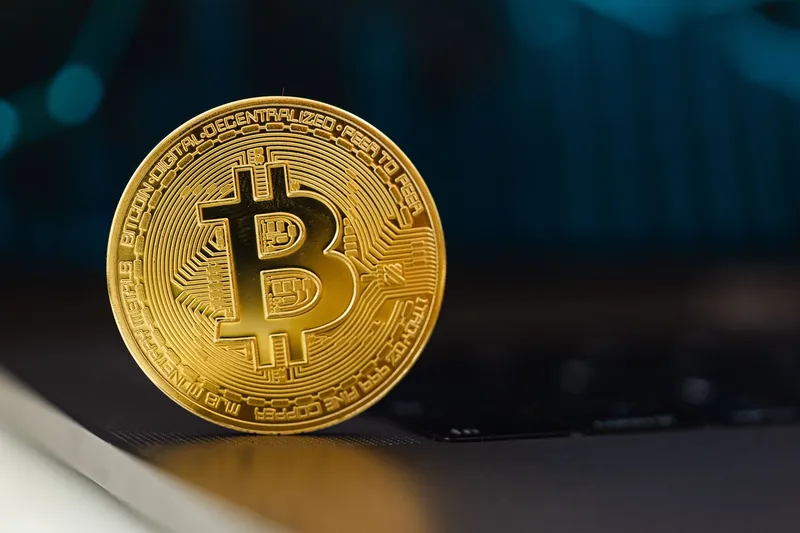
The ongoing research agenda focuses heavily on protocol revenue capture, validator economics, and long-term staking incentives. New monetization models are currently being evaluated to align platform utility with broader adoption metrics.
"Adoption without economic capture is just an expensive database."
🏛️ Institutional Integration And The Tokenization Reality
Building high-performance infrastructure for traditional financial markets represents only the initial phase of ecosystem maturation. Real-world asset integration requires sustained, recurring financial activity to generate meaningful protocol revenue.
Major financial institutions and traditional exchanges are currently exploring blockchain-based collateral, settlement, and lending applications. Yet, tokenizing assets on public infrastructure does not automatically translate into direct capital inflows for native utility tokens.

Ecosystem metrics highlight substantial real-world asset localization across platforms like Securitize and Centrifuge. Tracked real-world assets approach roughly $850 million, underscoring the gap between institutional deployment and decentralized token demand.
📈 Evaluating Supply Sinks And Staking Dynamics
Existing economic frameworks rely heavily on staking participation and transaction fee burning to manage circulating token supply. Historical network upgrades have pushed staking participation significantly higher, locking up substantial portions of the circulating supply.
Expanding these mechanisms requires delicate balance to avoid introducing friction that might deter enterprise participants. If fee structures become overly burdensome, commercial adopters may migrate to competing execution environments.
"Equilibrium requires rewarding validators without penalizing enterprise builders."

The transition from speculative token models to utility-driven capture mechanisms defines the current market cycle. Networks that successfully route institutional settlement fees back to token holders will command a permanent valuation premium.
Investors must look beyond headline partnership announcements and evaluate the specific smart contract routes governing fee distribution. Execution quality on upcoming tokenomic revisions will separate sustainable ecosystems from temporary marketing narratives.
⚖️ Real-World Asset (RWA) Tokenization: The digital representation of tangible traditional financial instruments, such as Treasury bills or equities, issued on a decentralized ledger.
🔥 Fee Burning: A deflationary mechanism where transaction fees are permanently removed from circulation, reducing overall token supply.
- If proposed tokenomic revisions fail to outline direct fee-sharing or enhanced burn mechanics → institutional adoption metrics will decouple entirely from native asset valuation.
- If total value locked in tokenized money market instruments breaches multi-billion thresholds without network fee adjustments → validator yield dilution risks increase.
- If staking participation ratios drop significantly during network upgrades → structural security assumptions require immediate re-evaluation.
This analysis is synthesized from aggregated market data and institutional research insights. It is provided for informational purposes only and should not be construed as financial advice. Cryptocurrency investments carry high risk; please conduct your own due diligence before making any investment decisions.
Related Intelligence

Bitrue Slashes Fees to Capture Volume: A Liquidity Subsidy Facade

XRP Bottom Pattern Rivals 2022 Crisis: Market Reset Tests Critical Threshold
Zcash Faces 61M Institutional Exodus: December Overhang Deepens

XRP Reclaims Floor After Shock Sell: Macro Echoes Signal Rally

API3 Engine Caps Supply at 200M Token: Deflation Illusion or Real Yield?