Bitcoin Miners Hold Key AI Power Moat: Mispriced Energy Advantage
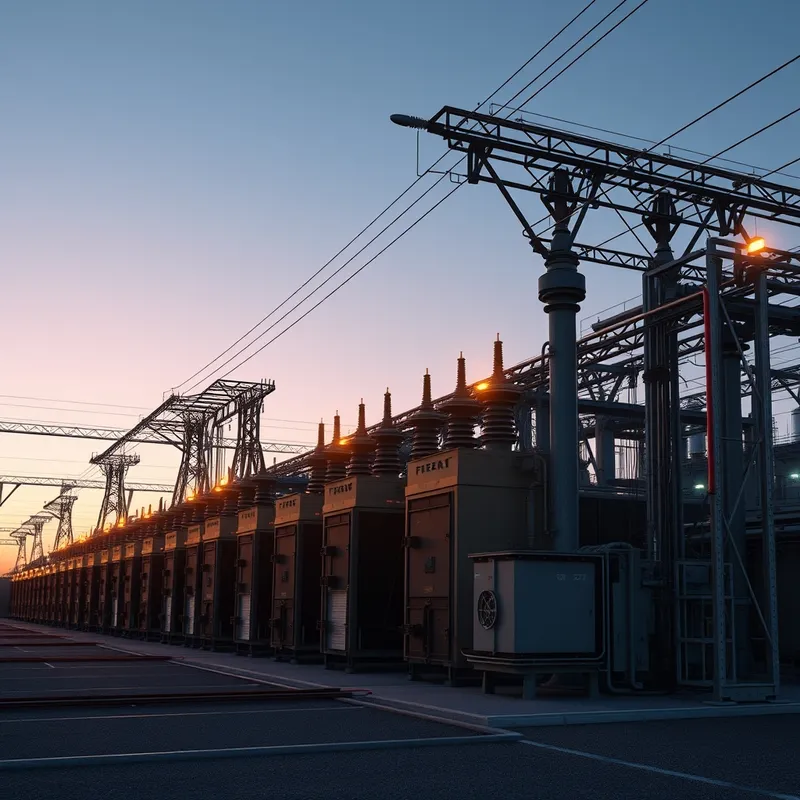
The AI Power Moat: Why Wall Street Is Mispricing Bitcoin Miners
Wall Street sold off Bitcoin mining infrastructure while ignoring the actual bottlenecks of AI compute.
A broader equity market contraction dragged publicly traded Bitcoin mining stocks with artificial intelligence expansion plans down by an average of 35% in October. Yet beneath this aggressive market liquidation lies a fundamental valuation disconnect: equity markets are treating power-rich infrastructure operators as high-risk hardware renters.
⚡ The Great Energization Bottleneck
The macroeconomic backdrop driving the recent sell-off stems from macroeconomic headwinds, including persistent inflation data and rising capital costs across tech infrastructure. As debt financing became more expensive, institutional capital fled speculative growth plays, dragging down any equity ticker associated with artificial intelligence expansion.
Utility power grid interconnects act as digital tollbooths, determining which high-performance computing clusters can go live. While traditional data center developers face grid interconnection delays lasting anywhere from four to seven years, industrial Bitcoin miners spent the last half-decade locking in firm Power Purchase Agreements (PPAs) and securing energization capacity at regional substations.
What this signals structurally is a severe market breakdown in understanding supply chain friction. The market priced mining firms as if their primary liability was GPU hardware depreciation. In reality, their primary asset is immediately available industrial power, a commodity that cannot be engineered on demand regardless of how much capital is deployed.
"In the modern AI gold rush, ownership of the power grid queue is vastly superior to ownership of the chips."
🔌 High-Density Compute Conversion Mechanics
If this historical precedent holds true, evaluating the physical transformation of a mining facility into a High-Performance Computing (HPC) data center reveals clear operational advantages. Converting existing power capacity into enterprise hosting space requires specific technical alterations, but it entirely circumvents environmental site permitting and utility interconnect backlogs.

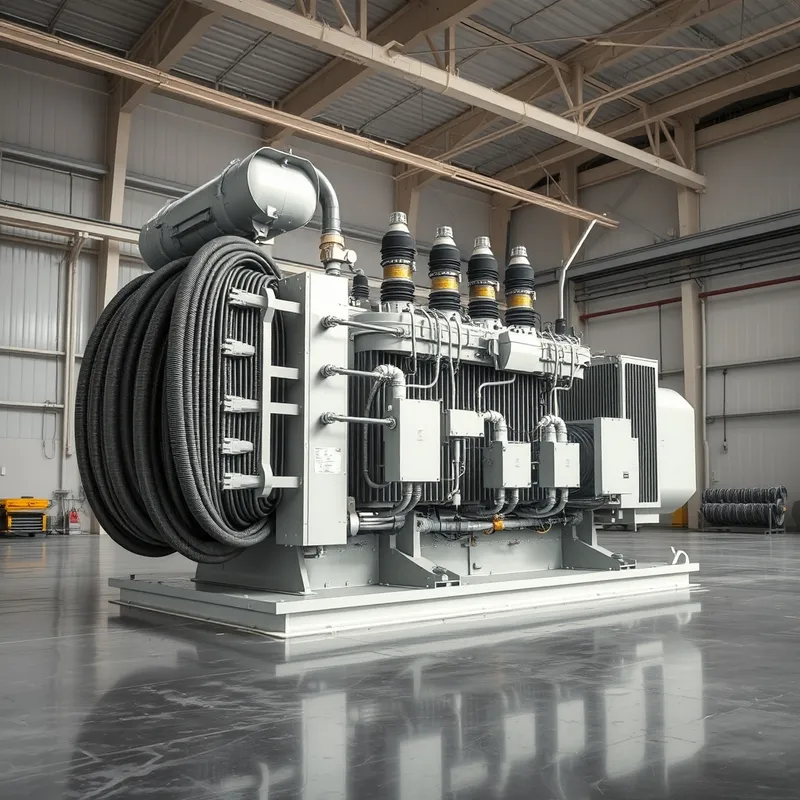
Power transformers step down high-voltage electricity from regional transmission grids to levels usable by dense computing hardware. Mining facilities already possess these high-voltage transformers, switchgear, and fiber connectivity. Modifying a site from air-cooled SHA-256 ASIC racks to liquid-cooled AI server arrays demands capital expenditure, but the physical infrastructure footprint is already fully operational.
This dynamic creates a structural conflict between key market participants. Core developers and pure-play Bitcoin advocates view the pivot to hosting artificial intelligence operations as a dilution of network security and capital deployment. Conversely, hyperscale technology tenants and institutional equity investors prioritize long-term, predictable cash flows secured through multi-year lease agreements.
The uncomfortable reading of this operational pivot is that high-density energization is the true asset class. The underlying workload running on the circuit—whether hashing for block rewards or training large language models—is merely an economic variable dependent on prevailing margins.
📊 Valuation Disconnect Across Digital Infrastructure
Given this operational reality, capital markets have created a stark efficiency gap between traditional data center operators and energy-secured mining enterprises. Despite heavy market equity drawdowns, operational metrics across the dual-purpose mining sector remain structurally intact, with zero commercial lease cancellations reported during the market downturn.
The market is treating short-term corporate debt anxiety as a proxy for customer demand failure. However, corporate tech giants face a severe shortage of ready-to-use megawatts, forcing them to partner with non-traditional hosting providers who hold active grid connections.
| Infrastructure Type | Grid Interconnect Delay | Capital Risk Exposure | Power Scarcity Advantage |
|---|---|---|---|
| Pure-Play GPU Cloud Providers | Moderate (3–5 Years) | High (Hardware Depreciation) | Low |
| 📈 Traditional Enterprise Data Centers | Severe (5–7 Years) | Low (Contracted Cash Flows) | Moderate |
| Pivoted BTC Mining Facilities | Immediate (Active Interconnects) | Moderate (Conversion CapEx) | ⚡ Critical Moat |
Here is what the market is missing: while GPU hardware loses value rapidly, energized industrial power assets appreciate in tandem with national electricity grid gridlock. The sell-off created a valuation gap where mining companies with active grid capacity trade at a discount relative to the physical replacement cost of their electrical infrastructure.
🎯 Navigating the Dual-Yield Compute Cycle
Building on these market discrepancies, the strategic positioning of mining firms will likely force a consolidation wave across the digital infrastructure sector. As traditional real estate investment trusts (REITs) struggle to secure power access for clients, public miners holding energization rights become prime acquisition targets.

In the medium term, we anticipate tech hyperscalers bypassing intermediary data center developers altogether to enter into direct joint ventures or outright acquisitions of Bitcoin mining power assets. This dynamic shifts the underlying valuation model from volatile hashing margins to stable, infrastructure-backed real estate multiples.
"Hyperscalers will eventually buy mining infrastructure not for its Bitcoin, but to inherit its place in the power grid."
Investors who evaluate these companies purely as Bitcoin proxy trades miss the broader structural pivot. The long-term winners will be operators that successfully monetize their power interconnects through flexible load-hedging strategies, balancing real-time Bitcoin network hashing against long-term enterprise AI hosting contracts.
The market is experiencing a profound mispricing of power access rights. Expect high-tier hyperscalers to target distressed mining equities to acquire immediate megawatt capacity rather than waiting on grid queues.
As debt conditions normalize, institutional capital allocations will decouple pure hash-rate operators from hybrid power managers. Firms securing direct corporate tenant leases will transition toward infrastructure-grade equity multiples over the coming cycles.
⚖️ Interconnection Queue: The sequential backlog managed by regional transmission operators that determines when a facility can legally connect to the electric power grid.
⚖️ PPA (Power Purchase Agreement): A long-term financial contract between an electricity generator and a industrial facility that defines the pricing and volume of power delivered.
- If regulatory authorities revoke industrial power purchase agreements for crypto miners → infrastructure valuations will collapse regardless of active AI lease contracts.
- If capital expenditure per megawatt conversion exceeds projections by thirty percent → debt-financed mining pivots transition into structural illiquidity regimes.
- If utility interconnection queue approvals accelerate for regional pure-play data centers → the premium on pre-energized mining infrastructure declines rapidly.
— Benjamin Graham
This analysis is synthesized from aggregated market data and institutional research insights. It is provided for informational purposes only and should not be construed as financial advice. Cryptocurrency investments carry high risk; please conduct your own due diligence before making any investment decisions.
Related Intelligence

Bitcoin Drops Below Critical Support: Macro Drag or Market Reset

Moscow Exchange Gates Crypto Access: State-Gated Asset Control

Elon Musk AI Plans Face New US Political Reality

Falling oil hides deeper rate traps: The Energy Relief Illusion

Mercado Bitcoin Hack Exposes ETH Risk: Altcoin Dump Threat Looms