DCENT Expands Security Infrastructure: Institutional Custody Redefines Cold Storage
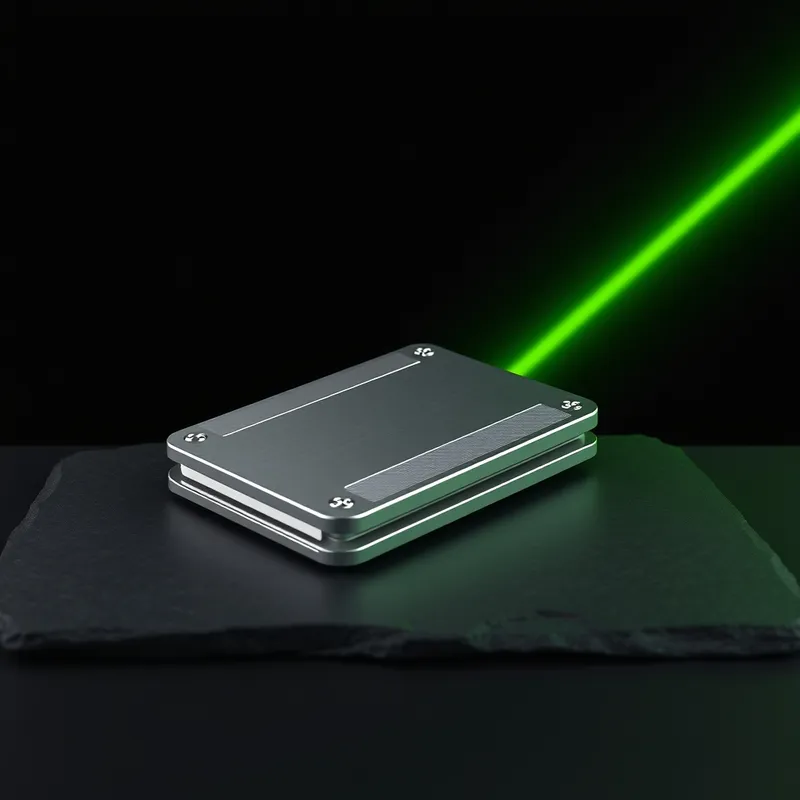
The Death of Passive Cold Storage: Why Enterprise Crypto Demands Active Key Orchestration
Cold storage was built to keep assets static, yet the market demands constant velocity.

On September 8, South Korean wallet pioneer IoTrust initiated a sweeping rebrand of its signature DCENT lineup, marking its first major evolution in 8 years. The transition introduces the premium DCENT X hardware wallet, featuring a 2.4-inch AMOLED touchscreen, alongside DCENT Enterprise—a multi-tier control system managing over 100 networks and 10,000 tokens.

This structural pivot signals a profound shift in how institutions view security. The era of the passive digital vault is officially dead, replaced by the necessity of active transaction orchestration.
🏰 The Shift from Fortresses to Flight Decks
The transition of key management from a simple storage box to an active transactional terminal is a direct response to a changing macro landscape. In the early days of digital assets, securing capital meant burying private keys in deep offline environments—the equivalent of treating private keys like physical gold bars in a flooded vault when the market demands a digital air-traffic control system. Today, however, the rise of institutional participation and decentralized yield mechanisms requires assets to be constantly dynamic, rendering passive storage models obsolete.
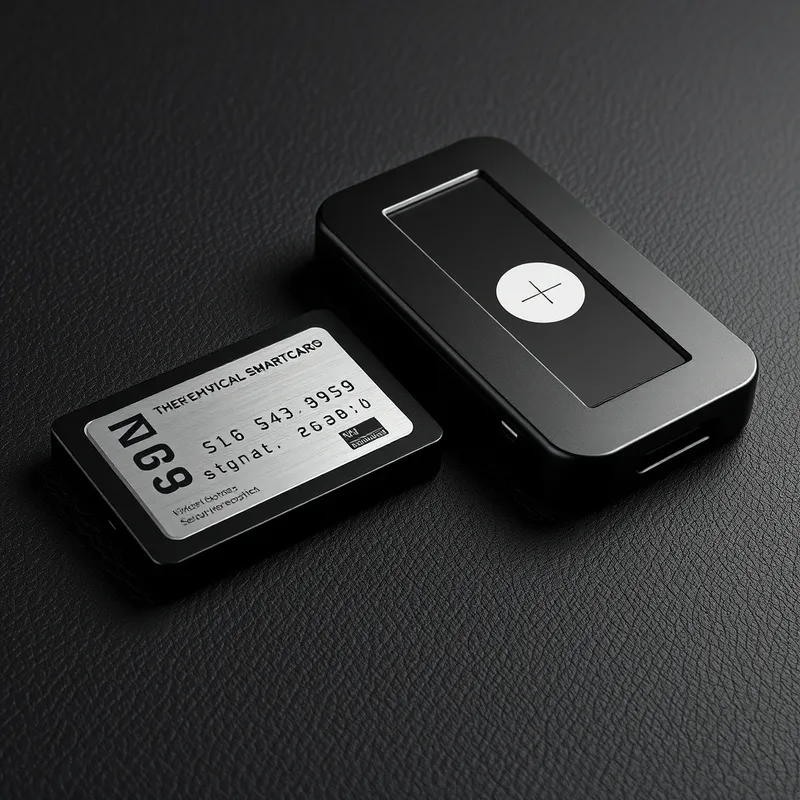
What this signals is a structural reorganization of the competitive ecosystem. Institutions can no longer afford to let billions in capital sit idle while waiting for manual, multi-day withdrawal approvals. The industry is rapidly adopting security architectures that combine the impenetrable physics of cold storage with the high-velocity execution of decentralized finance, turning static reserves into active yield-generating instruments.
"Treating private keys like museum artifacts is a luxury that modern institutional yield cycles can no longer support."

⚡ Re-engineering the Liquidity Pipeline
As the industry transitions from static fortresses to active flight decks, the immediate impact on global liquidity structures becomes undeniable. Liquidity refers to how easily assets can be bought, sold, or utilized in financial markets without causing drastic price changes. By integrating multi-level approvals directly into physical hardware layers, enterprises are bypassing the traditional trade-off between security and transaction speed.
This capability will likely compress settlement times across over-the-counter (OTC) desks and decentralized applications, reducing the systemic friction that historically plagued large-scale capital movements. When institutions can sign complex smart contracts with biometric verification without exposing their primary keys to online vulnerabilities, the velocity of capital increases exponentially. The pattern suggests that those failing to offer enterprise-grade multi-signature controls and intuitive physical recovery mechanisms will find themselves relegated to the retail hobbyist market, while institutional dollars consolidate around platforms that offer seamless integration with corporate governance structures.
🏦 The 2012 Knight Capital Fallout and the Rules of Automated Guardrails
If this rapid acceleration of transactional velocity is the inevitable future, we must examine the structural guardrails preventing catastrophic operational failures. In the traditional financial system, the catastrophic collapse of Knight Capital Group in 2012 serves as the ultimate warning of what happens when execution velocity outpaces internal control mechanisms. A single faulty software deployment allowed automated systems to execute millions of unintended trades in under an hour, destroying nearly half a billion dollars in equity.
The core failure was not a lack of encryption, but the absence of physical, multi-layered circuit breakers capable of halting unauthorized or erroneous transactions before they settled. This historical precedent highlights why the development of enterprise-grade control frameworks in the digital asset space is so critical. By embedding multi-level approvals and physical biometric verification into the hardware
— — coin24.news Editorial
This analysis is synthesized from aggregated market data and institutional research insights. It is provided for informational purposes only and should not be construed as financial advice. Cryptocurrency investments carry high risk; please conduct your own due diligence before making any investment decisions.
Related Intelligence

LTP launches AI quant trading arena: Algorithmic Power Shift

Cardano scaling faces revenue decay: The Staking Revenue Drag

Telegram bot metrics inflate TON data: The Off-chain Facade

NEAR Chain Abstraction Surpasses 50M: The UX Illusion of Scale

Avalanche Teleporter Upgrade Bridges: Network Fragmentation Reconfiguration