Fortitude Acquires HeartSciences Stake: A $1M equity lifeline exposes restructuring risks ahead of 2026 merger approval.

Fortitude Secures 9.4% Stake in HeartSciences: The Anatomy of a High-Risk Reverse Takeover
A crypto miner just injected $1 million into a failing biotech shell to buy its way onto the Nasdaq.

Fortitude Mining, the Zcash-focused mining arm backed by Digital Currency Group (DCG), completed an Aug. 12 private placement to acquire 411,522 common shares of Nasdaq-listed HeartSciences at $2.43 per share. The transaction, totaling an exact cash outlay of $999,998.46, gives the mining firm an immediate 9.4% equity stake at a 22% premium to market price.
The capital injection serves as an operational lifeline for HeartSciences while the companies seek shareholder approval for a full corporate combination targeted for the second half of 2026. If executed, the reverse takeover will grant DCG approximately 95% of the voting power, leaving legacy biotech equity holders with roughly 5% ownership.
🏛️ Reverse Mergers as Liquidity Exit Routes
A reverse merger occurs when a private operating entity bypasses the traditional initial public offering (IPO) process by merging into an already public, often struggling company. In this scenario, the public shell provides an expedited backdoor to public equity markets, avoiding the multi-year regulatory hurdles of a conventional registration.
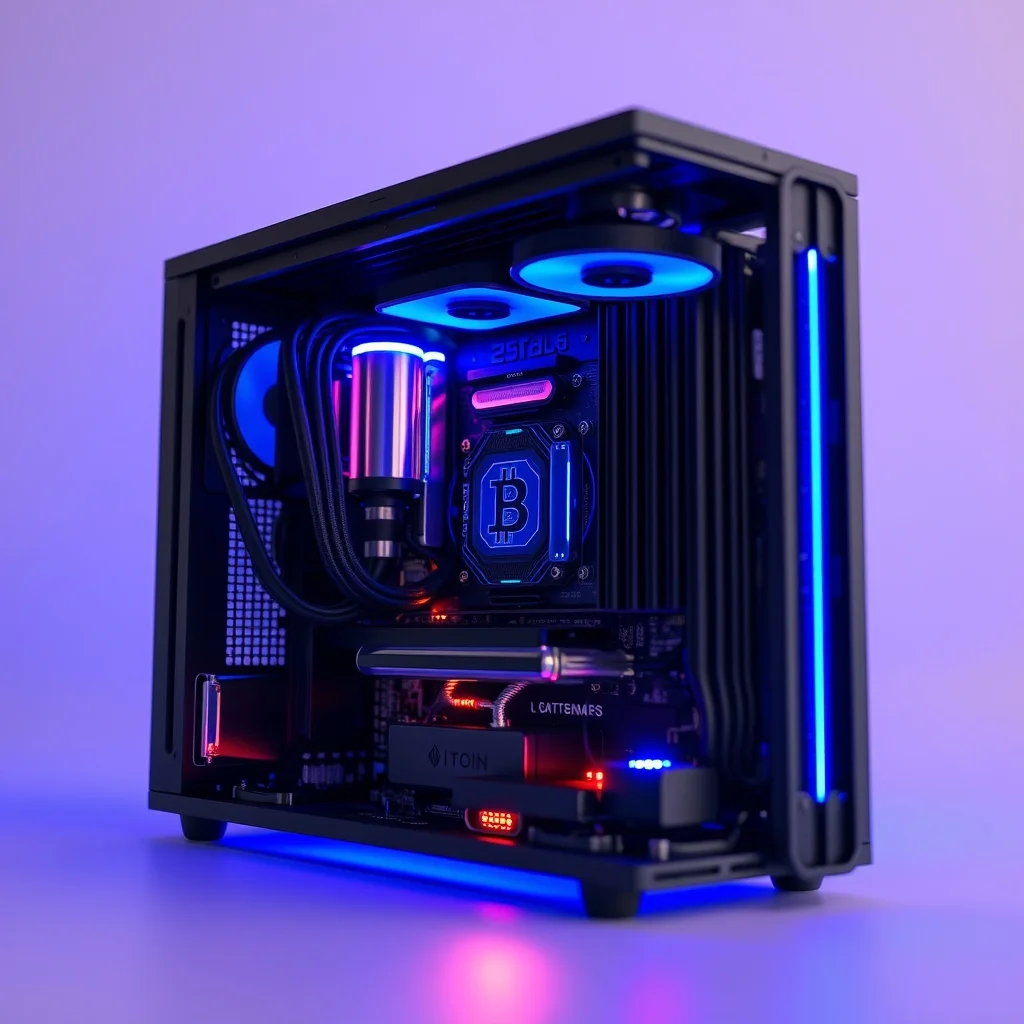
The transaction dynamics reveal significant balance sheet friction across both entities. Fortitude reported $8.5 million in adjusted EBITDA alongside a GAAP net loss of $9.5 million, heavily weighed down by a $10.3 million mining equipment impairment. Meanwhile, HeartSciences operates under severe going-concern risks, warning in preliminary SEC filings that a deal collapse could force full corporate liquidation with zero guaranteed shareholder recovery.
"Distressed public shells are the new fast-track regulatory life rafts."
⚙️ The 1999 Reverse-Takeover Dilution Architecture
Bridging private assets into zombie shell companies directly mirrors the structural engineering seen during the dot-com shakeout. In the 1999 Dot-Com Shell Restructuring era, internet startups routinely merged into failing manufacturing and penny-stock shells to gain instant ticker exposure before cash reserves evaporated.
The outcome of that cycle was swift: shell investors experienced near-total dilution, while the private entities absorbed ongoing regulatory overhang and listing maintenance costs. In my view, this transaction is a calculated move to salvage mining balance sheets under tightening privacy-coin conditions, shifting execution risk directly onto public retail equity.

The structural trade-off between the merging entities is laid out in the zero-sum friction below.
| Competing Force | The Irreconcilable Friction |
|---|---|
| DCG / Fortitude (Public Route) | Swallowing shell liabilities to sidestep traditional IPO scrutiny and unlock liquidity. |
| HeartSciences (Solvency Survival) | Accepting 95% governance dilution to prevent immediate Chapter 7 liquidation. |
📊 Valuation Realities and Strategic Hazards
Following this capital bridge, the trajectory of the combined vehicle depends entirely on whether legacy equity holders ratify the governance overhaul. If approved, the corporate entity transitions entirely away from medical technology into proof-of-work digital asset infrastructure, concentrating enterprise value around specialized ASIC efficiency.
Investors must recognize that non-GAAP adjusted metrics mask underlying balance-sheet impairment risks. Should the merger face proxy rejection or regulatory friction, the liquidity vacuum could trigger an abrupt unwind for the listing vehicle.
"A listing vehicle without operational cash is a ticking clock."

The transaction indicates an escalating shift toward structural backdoor listings among specialized miners navigating hardware depreciation cycles. Public equity markets will increasingly price these restructuring plays on cash flow durability rather than nominal hashrate capacity.
Expect increased scrutiny from institutional desks as proxy dates approach, with voting participation serving as the primary binary catalyst for the stock's intermediate survival.
⚖️ Reverse Takeover (RTO): A corporate acquisition structure where a private company absorbs a publicly listed entity to secure exchange trading privileges without an IPO.
📉 Asset Impairment: An accounting charge recognizing a permanent drop in the recoverable fair market value of operating hardware or equipment.
- If the definitive proxy date gets delayed past expected guidance → liquidation risk accelerates immediately.
- If quarterly hardware impairment charges exceed gross operating revenue → mining gross margins become unviable.
- If shareholder voting concentration falls below the statutory approval threshold → the reverse merger breaks down entirely.
— — coin24.news Editorial
This analysis is synthesized from aggregated market data and institutional research insights. It is provided for informational purposes only and should not be construed as financial advice. Cryptocurrency investments carry high risk; please conduct your own due diligence before making any investment decisions.
Related Intelligence

Upbit Listings Trap Retail Traders: Why Initial Listing Gains Fade

Wyoming Migrates Stable Token FRNT: Chainlink CCIP adoption exposes structural flaws in cross-chain security models.
Nethermind Shifts Node Operations: Chainlink CCIP gains institutional weight as cross-chain security demands structural realignment.

Ethereum Upgrades Alter Network Speed: EIP-7732 Reality - Bottlenecks Shift to Staked Builders

NAVI Prime Isolates Sui DeFi Risks: Isolated Pools Do Not Erase Risk