NEAR Chain Abstraction Surges Ahead: 50M Operations Breach UX Wall

NEAR’s 50M Operation Surge: The Death of the Monolithic Chain Narrative?
Crypto UX is finally breaking free from blockchain infrastructure obsession.

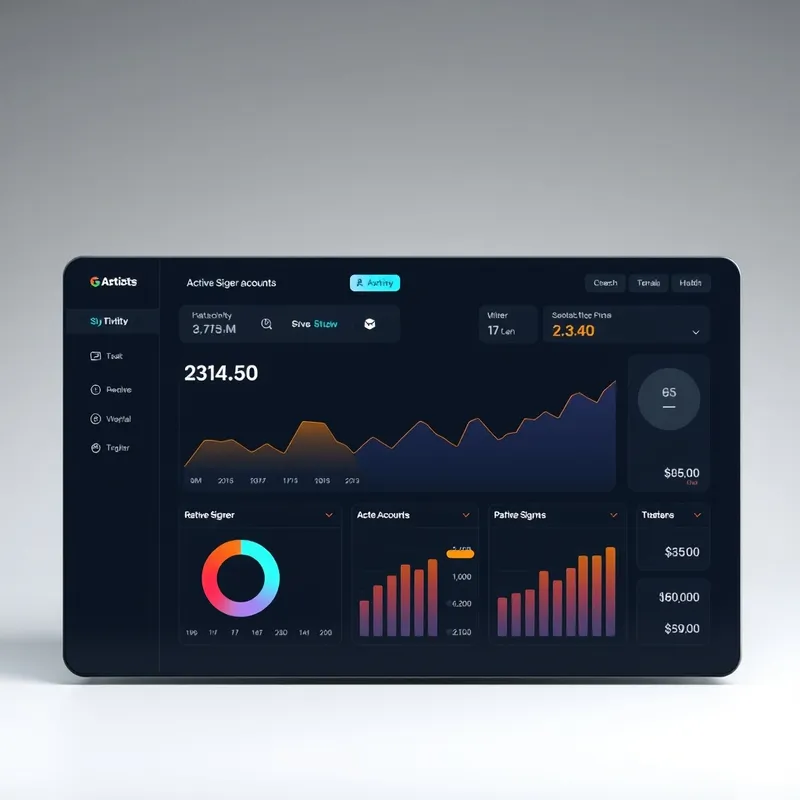
NEAR Protocol has officially cleared 50 million lifetime operations through its chain abstraction layer, alongside an average of 450,000 monthly active account abstraction signers. This marks a pivotal shift from isolated layer-1 competition to cross-chain liquidity orchestration.
🧩 Deconstructing the Abstraction Engine
The core friction in digital assets has never been transaction speed; it has been cognitive overhead. Users are routinely forced to manage distinct gas tokens, cross-chain bridge risks, and multiple private keys across networks like Ethereum, Bitcoin, and Solana.
Chain abstraction resolves this fragmentation by turning the underlying blockchain into invisible infrastructure. By routing sign-in sessions and cross-chain execution through a unified account framework, end-users interface with applications rather than base-layer protocols.

"The winning blockchain is the one the user never realizes they are using."
It is critical to distinguish these interaction metrics from standard base-layer transfers. These metrics reflect signing requests, contract executions, and multi-chain state operations that bypass traditional bridging mechanics entirely.
🌐 Ecosystem Fragmentation and Liquidity Mechanics
If this infrastructure momentum scales, native L1 gas token velocity will face downward pressure across the ecosystem. When user accounts abstract away network-specific native assets, the structural demand for individual chain tokens shifts from retail end-users to background settlement relays.
The market is slowly realizing that multi-chain liquidity will not consolidate into a single dominant EVM or SVM chain. Instead, capital remains fragmented, making execution layers that unify liquidity across Bitcoin, Ethereum, and non-EVM environments the critical control points of crypto market infrastructure.
🏛️ The Web2 Middleware Evolution
Before TCP/IP became the invisible standard for Web2, networking protocols were deeply fragmented across closed corporate silos. Early enterprise applications required custom adapters to communicate across isolated networks, severely limiting software interoperability.
The resolution came not when one corporate network defeated the others, but when standard abstraction layers rendered the underlying hardware configuration irrelevant to the software application layer. In my view, NEAR's architecture mirrors this exact historical transition, converting underlying consensus engines into quiet, backend utility rails.
What this signals is a structural shift in where protocol moat value accrues. Value is migrating upward from consensus generation to key management, intent routing, and cross-chain execution abstractions.
| Competing Force | The Irreconcilable Friction |
|---|---|
| Monolithic L1 Sinks vs Cross-Chain Routers | 🌊 Sacrificing native gas token sinks to capture unified routing volume. |
| ⚖️ User UX Simplicity vs Cryptographic Security Verification | 🗝️ Abstracting signing keys while maintaining decentralized, non-custodial trust guarantees. |
🚀 Multi-Chain Adoption Vectors
The data points to a strategic divergence in protocol competitive positioning. While major ecosystems spend capital competing for developer mindshare on zero-knowledge rollups or parallelized execution models, user retention metrics strongly favor ecosystems optimizing for friction-free onboarding.

Over a multi-year horizon, institutional capital and consumer-facing decentralized applications will systematically favor platforms that remove gas management and network switching from the end-user interface. The uncomfortable reading of this for traditional L1 designs is that base-layer speed becomes commoditized, while session key routing commands the premium software margins.
The operational metric trajectory indicates that user interaction points are separating from baseline consensus layers. Middleware protocols capturing account abstraction state will likely command valuation multiples over pure settlement networks. Investors must monitor whether cross-chain operation growth directly converts into long-term protocol economic security.
⚖️ Chain Abstraction: A design pattern that hides blockchain mechanics—such as network switching, gas fees, and key management—behind a unified account layer.
⚖️ Account Abstraction: A cryptographic system replacing rigid, seed-phrase-based keypairs with smart contract accounts, enabling features like paymasters and social recovery.
- If monthly active signers decline below 300,000 across two quarters → evaluate protocol fee retention erosion metrics.
- If cross-chain relayer latency spikes above target thresholds → monitor liquidity pool slippage risks on destination networks.
- If non-EVM interaction volume exceeds 40% of total operations → assess account abstraction security decentralization bounds.
— — coin24.news Editorial
This analysis is synthesized from aggregated market data and institutional research insights. It is provided for informational purposes only and should not be construed as financial advice. Cryptocurrency investments carry high risk; please conduct your own due diligence before making any investment decisions.
Related Intelligence

Trump Tariff Shock Threatens Bitcoin: The Great Liquidity Drag

Metaplanet dilutes its shareholders: The Treasury Equity Facade

Bitcoin battles thin weekend volume: The 82k Resistance Trap

UK Gilt Unwind Tests Bitcoin Liquidity: The quiet quantitative tightening undertow.

Bitcoin Rally Masks Liquidity Risks: The BoJ Liquidity Illusion