Oil Supply Illusion Hides Brutal Reality: The Strait of Hormuz 400 percent traffic surge masks an underlying deficit and severe energy vulnerability.

The Hormuz Liquidity Trap: Why a 400% Shipping Surge Masks a Severe Global Energy Deficit
Headline transit metrics are masking an unprecedented physical supply bottleneck in global crude markets.
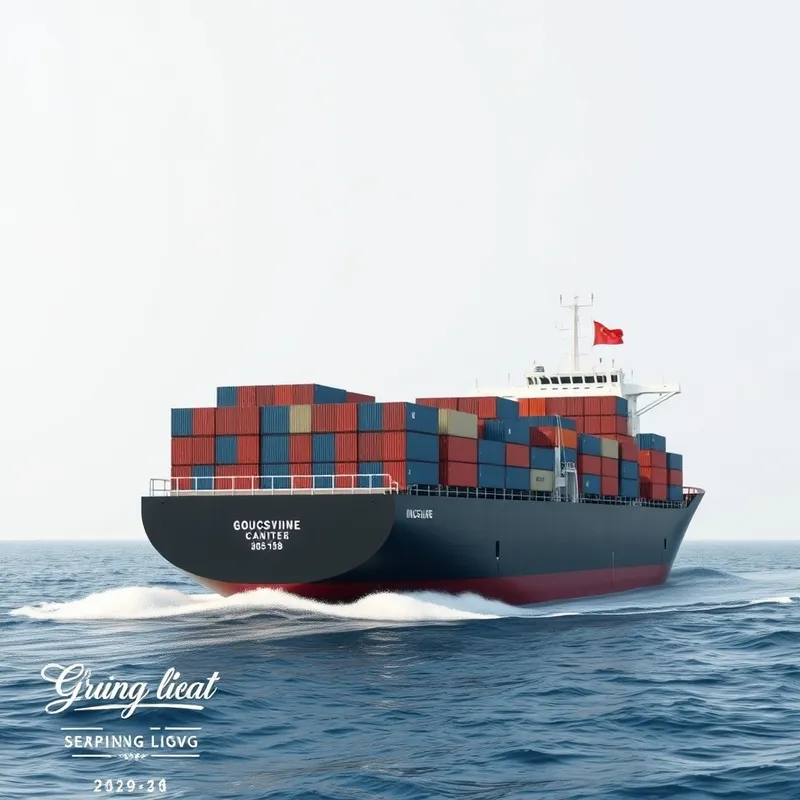
When maritime tracking data signals a 392% explosion in vessel crossings through the Strait of Hormuz within 14 days, automated trading algorithms predictably price in relief. Yet beneath the statistical illusion lies a market operating at a fractional baseline compared to pre-conflict norms. For macro investors and risk assets alike, mistaking signal reactivation for physical supply recovery is a fatal miscalculation.
🌊 Deconstructing the Transponder Illusion in Naval Chokepoints
A statistical rebound from near-zero levels inherently distorts percentage gains. Historical data from the Energy Information Administration indicates that roughly 20.9 million barrels a day historically traversed this chokepoint—representing nearly a fifth of total global consumption. Current active passage reflects a market running at a fraction of its historical capacity, despite recent structural increases in weekly vessel logging.
A significant proportion of this statistical surge is driven by vessel transponder management rather than fresh physical supply. Intelligence metrics show that dark crossings—vessels disabling active transponders to navigate contested corridors—reached record highs during recent operations. As returning tankers reactivate their location signals along safe-transit corridors managed near Oman, the reported transit numbers jump far faster than actual physical crude delivery.

"The market is pricing a phantom recovery in physical supply."
Estimates regarding real daily outflows highlight this reality gap. Official energy department estimates place physical throughput near 9 million barrels daily, while independent tanker-tracking metrics suggest the practical ceiling remains closer to 7 million barrels. The uncomfortable reading of this data is that regardless of which metric one trusts, physical energy throughput remains depressed by over half of its standard operational capacity.
⛽ Refined Products and the Crack Spread Contagion
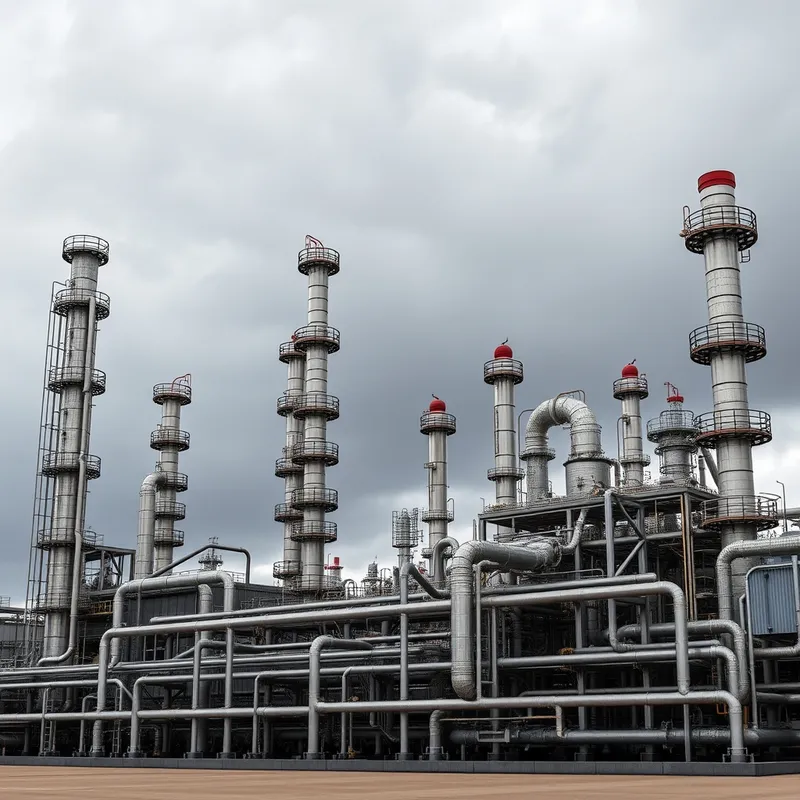
Connecting this maritime friction to broader capital markets requires viewing energy security not as a static availability problem, but as a complex refining and logistics bottleneck. Derivative markets reflect this acute friction through the extreme expansion of crack spreads. US diesel crack spreads recently reached an unprecedented high of $102.20 per barrel—a massive deviation from historical norms that typically float in the teens or low twenties.
This massive refining margin premium indicates that the true market stress is concentrated in middle distillates and refined fuels rather than unrefined crude reserves alone. The result is a persistent upward pricing pressure on international benchmarks, with Brent and WTI crude spots trading around $92.40 and $87.57 respectively prior to upcoming geopolitical press conferences. The pattern suggests that refined fuel squeezes, rather than baseline inventory levels, are currently setting the clearing price for global risk assets.
⚓ The 1987 Escort Playbook: Anatomy of a Naval Security Trap
To understand the current corridor mechanics managed along the Omani coast under Western naval oversight, one must examine the structural dynamics of Operation Earnest Will in 1987. During that period, military escorts were deployed to protect reflagged commercial tankers navigating hostile gulf waters. While initial naval convoys promised restored supply lines, the immediate physical friction—highlighted by high-profile mining incidents—demonstrated that state-backed escorts cannot instantly eliminate asymmetric operational risk.
In my view, relying on state-escorted maritime corridors creates a false sense of security for commodities traders while fundamentally shifting operational risk onto military infrastructure. Modern naval escort arrangements mirror this exact dynamic, creating a fragile equilibrium where a single kinetic disruption can instantly re-price global energy risk. Today's commercial shipping environment faces identical structural fragility, where naval presence maintains a nominal passage route while underlying transit volume remains critically bottlenecked.
| Competing Force | The Irreconcilable Friction |
|---|---|
| Naval Escort Coalitions vs. Regional Hegemony | Enforcing unilateral transit corridors without local diplomatic consensus creates constant kinetic friction. |
| 🔁 Algorithmic Commodity Trading vs. Physical Refinery Demand | Pricing headline transit gains while physical refined fuel margins hit historic highs. |
| Sanction Policy Enforcement vs. Import-Dependent Nations | ⚖️ Restricting supply flows to punish state actors forces secondary market inflation globally. |
📈 Macro Technical Breakouts and Strategic Risk Scenarios
Given this macro tension, technical charts reveal that crude oil spot prices are testing crucial multi-month descending trendlines. A sustained breakout above these key resistance structures would mark a definitive technical paradigm shift, invalidating bearish forecasts reliant on demand-destruction thesis. Conversely, a firm rejection at current levels would keep long-term downside targets of $71.25 on WTI and $77.78 on Brent structurally active.
For crypto and risk-asset investors, energy price shocks act as an immediate liquidity vacuum. High energy costs directly fuel headline inflation metrics, restricting central bank flexibility and tightening global monetary conditions. Should geopolitical friction escalate alongside fresh international sanction packages, capital will inevitably rotate out of speculative risk assets and back into defensive yield instruments.

The market is treating short-term shipping metrics as a proxy for structural normalization, creating a dangerous pricing misalignment. If physical refined output remains capped while sanction pressures intensify, macro liquidity will contract sharply, destabilizing high-beta risk assets including cryptocurrencies. Investors must monitor the diesel crack spread as a lead indicator for global macro regime shifts.
⚡ Crack Spread: The pricing differential between a barrel of crude oil and the refined petroleum products (such as diesel or gasoline) extracted from it, serving as a primary indicator of refining margin health.
🛰️ Transponder Signal Spoofing/Dark Crossings: The operational practice of turning off or manipulating a vessel’s Automated Identification System (AIS) to avoid location tracking in contested maritime channels.
- If Brent crude closes above its multi-month descending trendline → risk asset exposure requires defensive hedging against hawkish rate expectations.
- If US diesel crack spreads remain above historical averages for two consecutive weeks → industrial margin compression signals a broader economic slowdown.
- If physical daily transits through Hormuz drop below 6 million barrels → systemic liquidity shock dynamics trigger defensive capital reallocation.
— — coin24.news Editorial
This analysis is synthesized from aggregated market data and institutional research insights. It is provided for informational purposes only and should not be construed as financial advice. Cryptocurrency investments carry high risk; please conduct your own due diligence before making any investment decisions.
Related Intelligence

Nvidia Hikes Expose Memory Scarcity: DRAM Squeeze Threatens Margins

Treasury Yield Caps Fuel Asset Surge: Yield Controls Trigger Bull Run

ZeroStack Shares Face Massive Risk: 167 Percent Dilution Vote Ahead

Anthropic AI Faces Public Backlash: Data center resistance threatens a massive two trillion valuation milestone.

Pakistan Forces Exchange Compliance: The ultimate regulatory reckoning arrives as unlicensed operators face an existential exit threshold.