Olenox Firm Faces Capital Deficit Crisis: Mining Pivot Hits a $23M Debt Wall

Energy Pivot to Crypto Mining Hits $23M Wall as High Costs Pressure Returns
Traditional energy players buying into Bitcoin compute are learning that hash rate is not a substitute for working capital.

The transition from traditional power producer to decentralized infrastructure operator sounds compelling on paper. However, balance sheet leverage combined with fixed seller obligations can create an immediate liquidity trap if operational efficiency falls short.
⚡ Hash Rate Realities Meet Corporate Deficits
Energy operator Olenox Industries recently acquired CS Digital Ventures to capture block rewards, but recent regulatory disclosures show severe liquidity friction. The company reported preliminary monthly production of roughly 15.13 BTC for July against a balance sheet carrying approximately $1.21 million in cash and nearly $26.26 million in short-term liabilities.
At spot pricing near $76,371 per Bitcoin, that gross monthly output equals approximately $1.16 million. That topline figure does not represent net cash available, as third-party hosting invoices, power contracts, and management fees remain unsettled against those revenues.

"Gross hash rate generation without clear power margins is simply deferred insolvency."
Mining operations achieved roughly 1.02 EH/s in average hash rate, which represents about 64% of total fleet capacity. Seasonal heat pressures and low-power modes reduced throughput. Meanwhile, working capital sits at a negative spread of around $22.9 million, with total current assets measuring approximately $3.40 million. This structural deficit led the company to disclose substantial doubt regarding its ability to continue as a going concern without fresh capital injections.
📉 Fixed Seller Debt and Off-Grid Execution Gaps
Expanding on these operational headwinds, the transaction structure itself introduces inflexible cash drain dynamics. The upfront purchase price of $30 million for CS Digital included $14 million in preferred stock alongside $16 million in unsecured promissory notes. These notes carry a 10% annual interest rate, maturing in May 2029, and demand quarterly interest-only payments starting immediately in August 2026, creating roughly $1.6 million in annual cash drain.
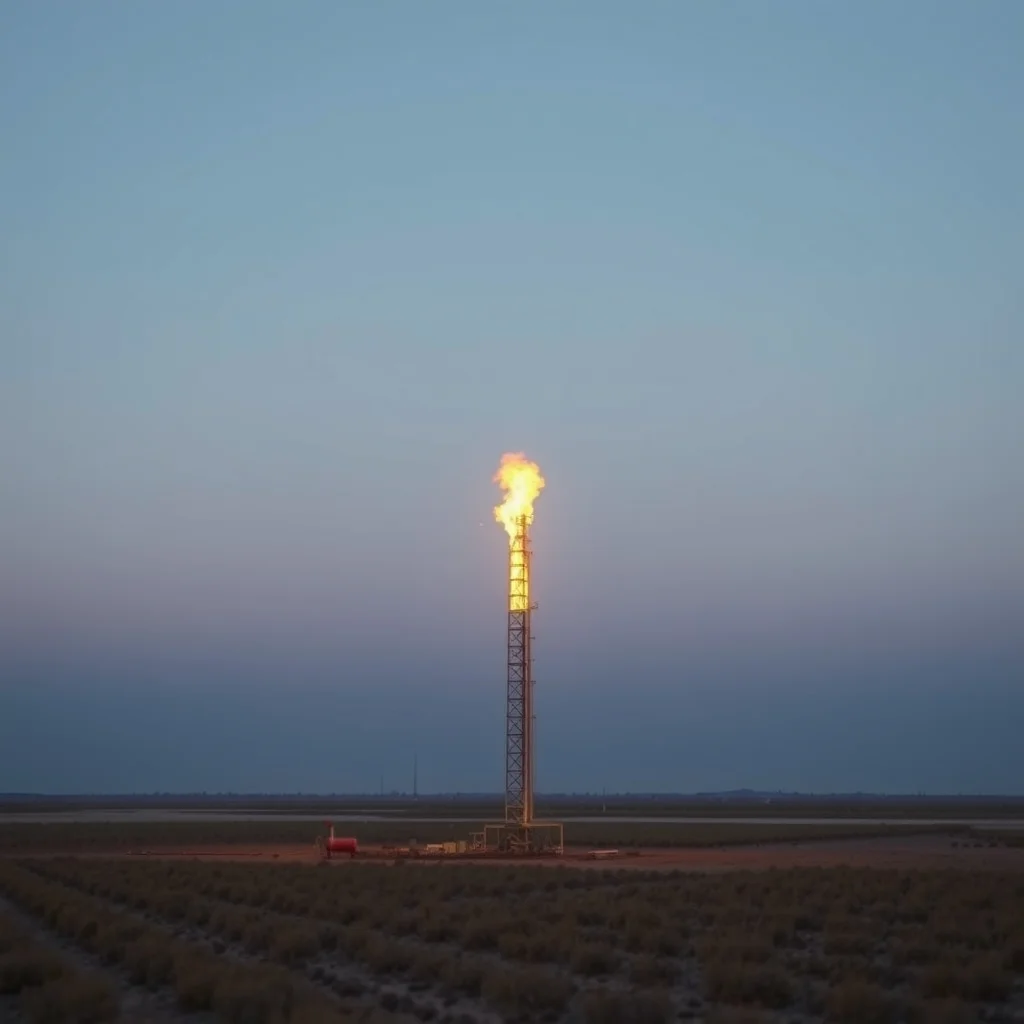
During the brief period from late May through June 30, the acquired unit recorded $1.45 million in revenue alongside a net loss exceeding $560,000. These figures stem from high-cost hosted grid facilities in Texas. The long-term thesis relies on converting internal natural gas assets into off-grid mining compute targeted at under $0.02 per kilowatt-hour, but current results remain tied to third-party power costs.

Despite these balance sheet pressures, the firm signed a non-binding letter of intent for a separate $20 million acquisition using equity and cash reserves. Expanding asset scale before resolving current operational expenses highlights the growing disconnect between expansion announcements and core liquidity preservation.
🏛️ Anatomy of a Corporate Debt Overhang
This dynamic mirrors the corporate diversification struggles seen in energy markets during the 2015 commodities downturn. Oil and gas producers frequently acquired capital-intensive midstream services to hedge falling crude prices. However, servicing fixed debt instruments with unproven, variable revenue streams led to widespread balance sheet restructurings.
The lesson from that cycle is straightforward: cash flow from volatile commodities cannot reliably service senior debt obligations unless production costs sit at the absolute bottom of the global cost curve. Today, micro-cap energy companies attempting to pivot into Bitcoin face the exact same structural mismatch.
| Competing Force | The Irreconcilable Friction |
|---|---|
| Hosted Grid Operations vs. Debt Obligations | Mining revenue on commercial power fails to cover fixed 10% seller note interest. |
| Capital Expansion Plans vs. Going Concern Warnings | Signing $20M acquisition agreements while carrying a $22.9M working capital deficit. |
🔮 Capital Discipline Rules the Mining Landscape
Mining difficulty adjustments and low transaction fees continue to squeeze operator margins across the sector. Entities relying on third-party host sites face margin compression unless they quickly operationalize proprietary power resources.
Firms carrying substantial current liabilities without committed credit facilities face severe dilution or asset sales. Capital will naturally shift away from debt-burdened legacy pivots and toward miners holding low long-term power purchase agreements.
The narrative of using stranded energy for Bitcoin compute remains valid long-term, but execution timelines are frequently underfunded. Expect a wave of consolidation where balance-sheet-constrained energy miners sell active fleet capacity to capitalized institutional funds.
⚖️ Working Capital Deficit: An accounting condition where a company's short-term obligations exceed its available liquid assets over a twelve-month horizon.
⚡ Low-Power Mode: Reducing the electrical draw of application-specific integrated circuits (ASICs) to maintain operational uptime during extreme heat or high tariff periods, sacrificing overall hash rate output.
- If short-term debt servicing exceeds monthly net block rewards → risk shifts toward equity dilution or asset liquidation.
- If fleet capacity utilization drops consistently below 70% during peak tariff seasons → operational unit economics face severe impairment.
- If power acquisition costs remain above $0.035/kWh post-halving → profit margins face structural compression against lower hash prices.
— — coin24.news Editorial
This analysis is synthesized from aggregated market data and institutional research insights. It is provided for informational purposes only and should not be construed as financial advice. Cryptocurrency investments carry high risk; please conduct your own due diligence before making any investment decisions.
Related Intelligence

Bitcoin Miners Face AI Infrastructure: Equity dilution risks loom larger than GPU rental futures as miners chase tech capital.

Bitcoin and XRP Rebound: A rare MVRV bottom signal breaks historical downcycles as structural liquidity flows return to risk assets.

Bitcoin Surges Amid Bond Market Stress: Safe havens rally as sovereign debt yields expose systemic cracks in global fiat liquidity.

Maya Exploit Uncovers Liquidity Trap: Why 20 BTC Cannot Fix 11M Hole

US Prosecutors Expand Cyber Charges: State-sponsored ransomware plots expose systemic vulnerabilities in global digital infrastructure.