Pulsar Taps TRON 94B USDT Liquidity: The 24B Daily Rail Shift
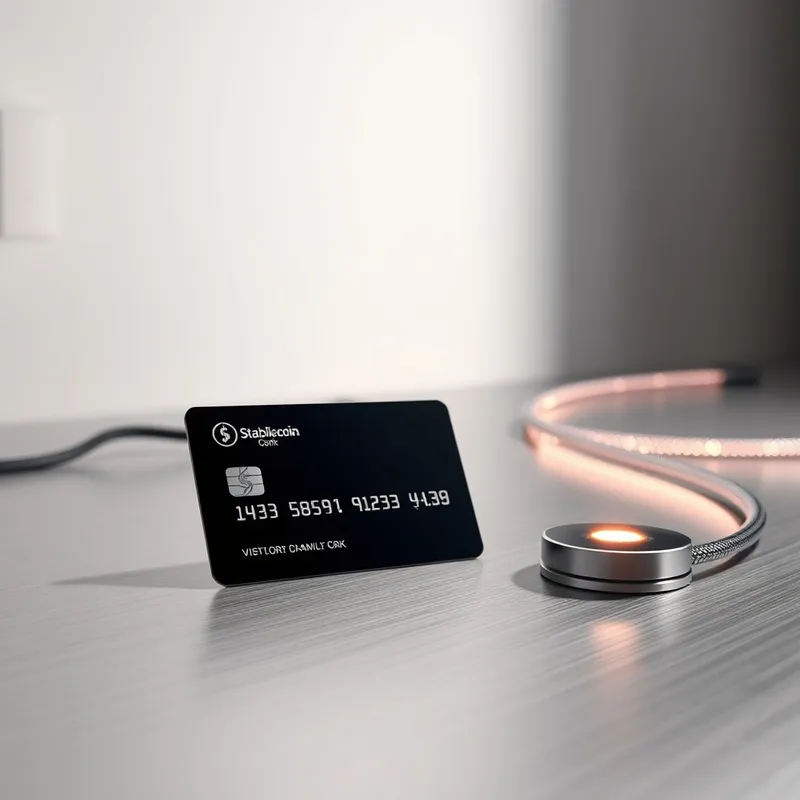
TRON's $24B Daily Stablecoin Engine Just Got a Consumer Off-Ramp via Pulsar Money
TRON processes $24 billion in daily stablecoins, yet most holders still cannot buy a coffee with it.

Pulsar Money has activated native USDT (TRC-20) deposits, connecting the world’s most active stablecoin settlement layer directly to a consumer virtual card. While TRON’s circulating USDT supply now exceeds roughly $94 billion and Q3 2026 settlement volume hit $2.21 trillion, the real story is not the integration itself—it is the quiet migration of on-chain dollar liquidity into everyday retail commerce.
⚙️ Why TRON’s Settlement Scale Matters for Consumer Rails
To understand the weight of this integration, you have to look at where digital dollars actually move. Most Western retail investors still associate crypto payments with high-fee Ethereum transactions or speculative DeFi yields, ignoring the reality that emerging-market commerce and cross-border settlements already run on TRON.
The network’s underlying metrics—tracked via TRONSCAN as of November 2026—demonstrate a massive liquidity moat that consumer fintechs can no longer afford to ignore. Rather than building new liquidity from scratch, payment apps are plugging directly into an established settlement engine.
| Network Metric | Recorded Scale | Structural Significance |
|---|---|---|
| Circulating USDT Supply | Over $94 billion | Largest single-chain concentration of digital dollar liquidity |
| 📊 Q3 2026 Settlement Volume | $2.21 trillion | 🏢 Validates institutional and cross-border velocity |
| 📊 Daily Average Volume | $24 billion | Rivals mid-tier sovereign payment corridors |
| Total Value Locked (TVL) | Over $24 billion | Deep on-chain collateral backing ecosystem stability |
| Total User Accounts | Over 415 million | Massive addressable base for consumer off-ramps |
| Total Transactions | Over 16 billion | Proven high-throughput execution since May 2018 MainNet |
Strip away the noise and the pattern is unmistakable. Liquidity always flows toward the path of lowest friction. By tapping into this existing user base, Pulsar bypasses the cold-start problem that has killed dozens of crypto-native payment startups over the last decade.

🌉 The Hidden Friction Between On-Chain Dollars and Retail Spend
If this settlement dominance holds true, the immediate question is why it took so long for consumer apps to bridge the gap. Under the hood, connecting a decentralized ledger to a virtual debit card is a delicate exercise in custody, compliance, and liquidity routing.
When a user selects the TRC-20 network inside Pulsar and sends USDT to a designated deposit address, the app is not merely displaying a balance. It is absorbing on-chain settlement finality and translating it into off-chain purchasing power for online checkouts, subscriptions, and currency conversions—all while explicitly operating as a money app rather than a licensed bank.
"Zero-fee stablecoin deposits are not charity; they are customer acquisition costs disguised as payment rails."
This is where it gets structural. Pulsar charges no fees for supported stablecoin deposits across its plans, though network and third-party fees still apply. In my view, waiving the front-end deposit fee is a calculated land grab: once the balance sits inside the ecosystem, monetization shifts to virtual card interchange, FX spreads, and regional financial services.
The conflicting motivations here are subtle but important. TRON DAO wants maximum velocity and everyday utility for its native stablecoin layer, whereas consumer apps want sticky, high-margin account balances that stay off-exchange. Both sides win if retail users treat TRC-20 USDT as a checking account rather than a trading pair.

📉 Market Microstructure: What Happens When Speculative Capital Becomes Spendable
Given this operational bridge, the broader market impact extends well beyond a single app integration. For years, stablecoins functioned primarily as dry powder—sitting idle on centralized exchanges waiting to bid on Bitcoin or altcoins during volatility spikes.
When trillions in quarterly settlement volume gain frictionless retail off-ramps, the velocity of money changes. Capital that enters a virtual card for groceries and subscriptions is capital that is no longer sitting on an order book.
The uncomfortable reading of this is that widespread payment adoption could slightly dampen speculative reflexivity during quiet market regimes. However, in the long run, real-world utility creates a permanent structural floor for stablecoin demand, insulating the sector from pure trading-volume contractions.
"A stablecoin that can pay a utility bill is infinitely harder to regulate out of existence than one that only funds leverage."
🔮 Regulatory Headwinds and the Non-Bank Tightrope
Looking ahead, the collision between high-velocity stablecoin rails and regional banking regulations will define the next phase of crypto adoption. Pulsar’s explicit disclosure that it is not a bank, combined with regional availability caveats, highlights the fragmented compliance landscape fintechs must navigate.

As stablecoin regulations tighten globally, payment apps relying on third-party card issuers face constant de-risking pressure. If traditional banking partners balk at TRC-20 transaction monitoring, regional features can be throttled overnight—a structural vulnerability investors must price into any consumer-facing crypto thesis.
The convergence of high-throughput blockchains and consumer virtual cards marks a permanent shift in how digital dollars are valued. We are moving from an era where stablecoins were measured by exchange reserves to one where they are measured by retail checkout velocity.
Networks that fail to secure low-fee consumer off-ramps will watch their stablecoin market share bleed toward ecosystems like TRON that already command deep liquidity. The winners of the next cycle will not be the fastest Layer-1s, but the ones whose dollars spend most effortlessly in the real world.
🔗 TRC-20: The technical token standard used for issuing and transferring assets like USDT on the TRON blockchain, prized for low transaction fees and fast finality.
💳 Virtual Card: A digitally issued payment card linked to an app balance, enabling users to spend converted stablecoins at traditional online merchants.
🔒 TVL (Total Value Locked): The aggregate dollar value of crypto assets deposited within a blockchain’s decentralized protocols, serving as a proxy for ecosystem liquidity.
- If major card issuers restrict TRC-20 settlement partners → consumer off-ramp liquidity fragments, triggering a defensive rotation back to regulated USDC rails.
- If TRON daily stablecoin volume sustains above current thresholds → network fee revenue strengthens, signaling durable non-speculative demand.
- If zero-fee stablecoin deposit apps capture double-digit retail growth → legacy fintech FX margins compress, accelerating institutional stablecoin adoption.
— coin24.news Editorial
This analysis is synthesized from aggregated market data and institutional research insights. It is provided for informational purposes only and should not be construed as financial advice. Cryptocurrency investments carry high risk; please conduct your own due diligence before making any investment decisions.
Related Intelligence

Ethereum Inflows Test 1500 Support: Supply Fissure Below 1744

Tether Pushes Back Against S&P as USDT Reserve Maintains Lowest Stability Assessment

XRP Price Lags Ripple Utility Push: The Utility Valuation Gap

Ethereum MEV Ruling Exposes Legal Gap: 25M Adversarial Precedent

Alphabet Stock Drops to Bottom Level: Institutional Accumulation Play