Riot faces deep debt before revenue: The AI Debt Bridge Trap
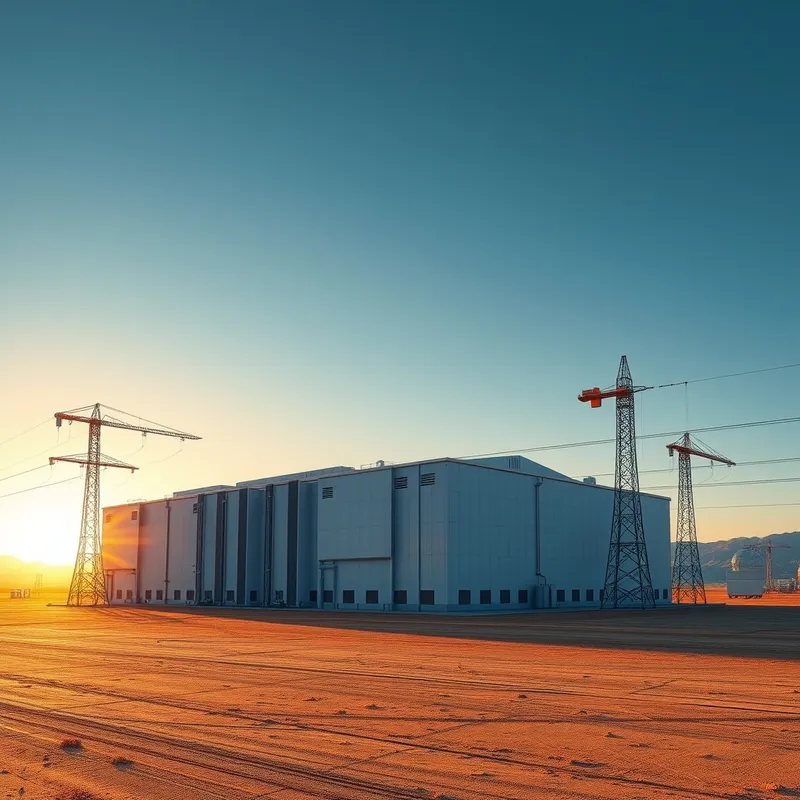
The Infrastructure Maturity Mismatch: How Miner Pivot Debt Threatens Liquidity
Converting hash rate infrastructure to artificial intelligence compute creates a lethal corporate duration gap.

Major Bitcoin mining operations are rapidly securing long-term hosting arrangements with frontier artificial intelligence entities. While these multi-billion-dollar leases promise long-term revenue diversification away from halving pressures, they introduce unprecedented balance sheet risk.
🏗️ The Anatomy of the Capital Gap
High-performance compute conversion for AI infrastructure requires upfront capital commitments long before contract deployment occurs. Institutional energy operators transitioning power capacity to high-density compute face massive construction lead times, creating an uncomfortable reality for corporate treasuries.

For context, a large power conversion deployment requires non-recourse debt financing structured through project-specific entities. Debt facilities covering up to 90% of construction costs carry variable rates like SOFR plus 2.75%, placing intense pressure on short-term corporate liquidity if long-term capital handoffs stall.
"Building the bridge to AI cash flows requires crossing a chasm of short-term institutional leverage."
What this signals is a structural shift in how mining operations interact with traditional debt markets. Rather than relying purely on equity dilution or liquidating treasury assets, miners are taking on traditional project finance structures that demand immaculate operational execution.
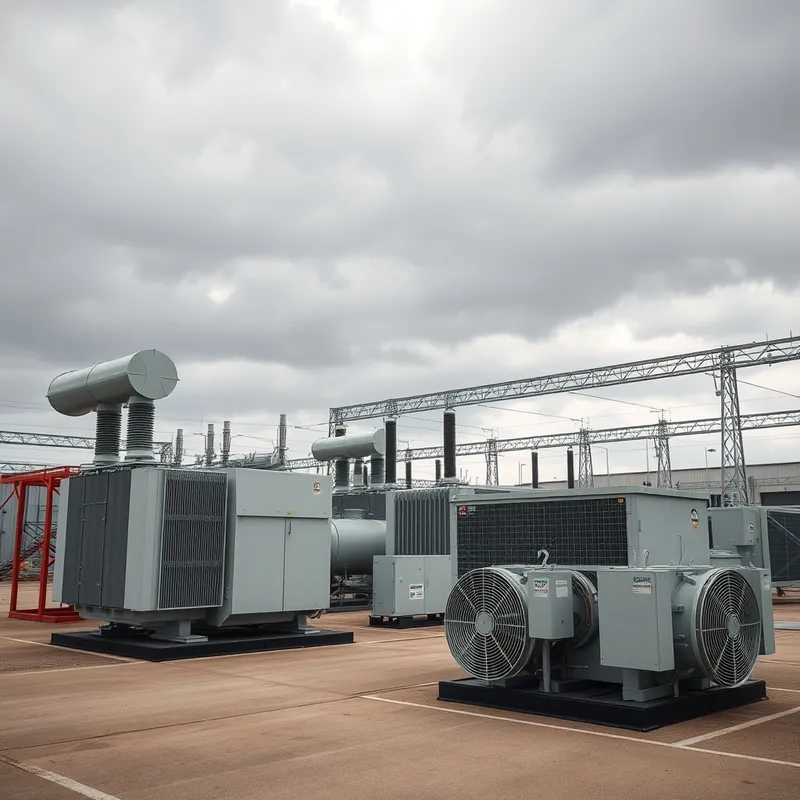
⚠️ The 2008 Project Finance Paradox
When capital-intensive infrastructure projects rely on short-term commercial debt to bridge the gap toward long-term operational leases, they replicate the classic refinancing traps seen during the 2008 global financial crisis. During that era, real estate developers and infrastructure funds utilized short-term commercial paper to fund decade-long development projects, assuming debt markets would remain perpetually liquid.
When liquidity froze, long-term asset values became irrelevant because the intermediate debt bridges could not be rolled over. In my view, industrial miners taking on short-duration financing face an identical structural dynamic. If debt backstops are not secured prior to maturity dates, even multi-billion-dollar future contracts cannot protect an operator from short-term default risks or aggressive restructuring terms.
The pattern suggests that Wall Street underwriters are demanding heavy collateral protections while leaving project execution risk squarely on the shoulders of the developer. If credit conditions tighten mid-construction, capital-heavy infrastructure pivots become liabilities rather than lifeboats.

| Competing Force | The Irreconcilable Friction |
|---|---|
| Short-Term Credit Facilities vs. Multi-Year Lease Delivery | Refinancing debt long before lease revenue initiation. |
| 🏛️ Pure-Play Network Security vs. Data Center Diversification | Diverting balance sheet capacity away from core mining operations. |
🔮 The Refinancing Horizon
Given this structural tension, the public equity valuations of infrastructure-pivoting miners will likely experience heightened volatility as maturity dates approach. The market will begin pricing in the execution risk of long-lead equipment procurement and the securing of permanent credit backstops.
If credit markets tighten, expect debt syndicates to demand equity warrants or corporate-level guarantees, eroding the non-recourse nature of initial project loans. Strip away the narrative hype, and the reality becomes clear: the success of the AI compute shift depends not on contract headlines, but on credit execution.
As public miners pivot toward enterprise AI hosting, the defining metric for equity performance will shift from hash rate growth to long-term credit rating execution. Operators unable to bridge the gap between initial development debt and contract rent will face severe equity dilution or asset sales to institutional credit providers.
⚖️ Delayed-Draw Facility: A specialized debt agreement allowing a borrower to withdraw predetermined loan amounts over time as capital expenditure milestones are reached during construction.
⚖️ Non-Recourse Debt: A loan structure where the lender is entitled only to repayment from the profits of the specific project funded, rather than the parent company's broader corporate treasury.
- If term debt backstops fail to materialize six months before bridge maturity → expect aggressive corporate equity dilution.
- If SOFR rate volatility widens project interest expense by 150 bps → short-term corporate liquidity risks escalate rapidly.
- If power delivery timelines slip past initial contractual phases → credit default swap pricing signals extreme distress.
This analysis is synthesized from aggregated market data and institutional research insights. It is provided for informational purposes only and should not be construed as financial advice. Cryptocurrency investments carry high risk; please conduct your own due diligence before making any investment decisions.
Related Intelligence

Liquidity Drives Bitcoin Rally: Treasury buybacks outpace Fed rhetoric as structural capital flows dictate market momentum.

Peter Schiff Bitcoin Capital Trap: The Hidden Risk of HODLing Through Speculative AI Realignments

Bitcoin Flush Clears Leveraged Longs: Spot Inflows Reset Weak Hands

Underwater Funds Proclaim BTC Bottom: Liquidity Trap or True Reversal?

Bitcoin Fork Risks Demand Vigilance: Unresolved eCash rehearsal dates expose fragile exchange continuity models ahead of October.