Ripple tests retail payment utility: Stablecoin Pivot Underway
The RLUSD Dilemma: Why Ripple’s Collegiate Sports Bet Uncovers a Fundamental Tokenomics Pivot
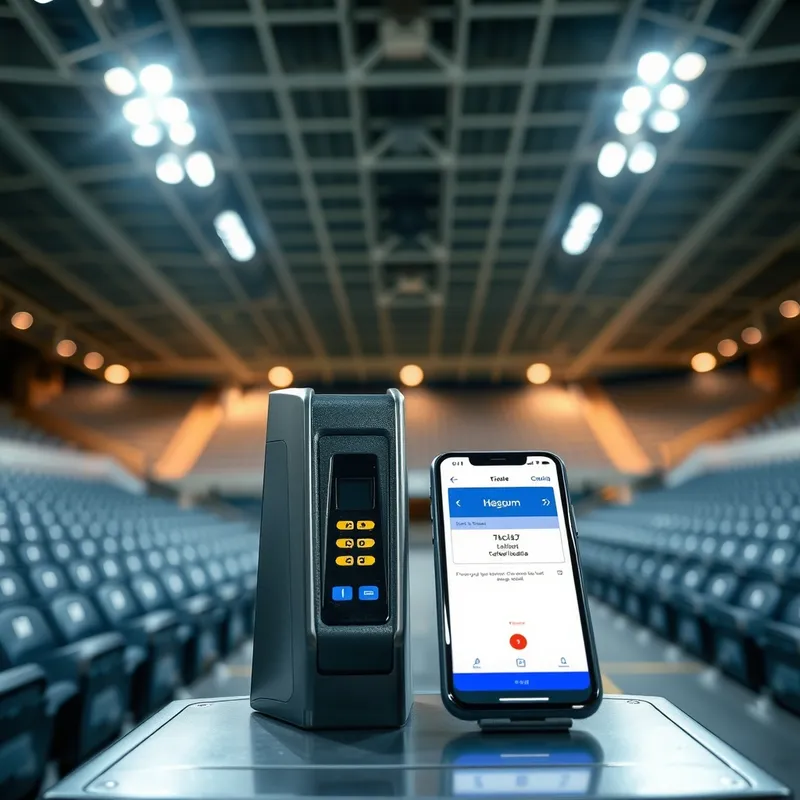
Ripple has integrated optional XRP and RLUSD payment rails into Florida Athletics ticketing and merchandise outlets, pairing execution with campus Web3 education initiatives.

While mainstream marketing narrative frames this as a consumer adoption milestone, the structural mechanics reveal a far more critical strategy at play. Ripple is actively building parallel payment infra that splits speculative token liquidity from transactional stablecoin utility.
🏈 Decoupling Utility from Speculation at the Point of Sale
Every major crypto adoption push eventually runs into the friction of unit-of-account volatility. For over a decade, layer-1 networks insisted that native tokens would serve as both native gas and everyday currency. However, real-world commerce demands predictable accounting, stable margins, and simple tax treatment.
The integration within Florida Athletics introduces a non-mandatory payment mechanism where fans choose between fiat, volatile crypto, or dollar-pegged tokens. Introducing a proprietary stablecoin alongside a native legacy token demonstrates a dual-track ecosystem design.

"Consumer point-of-sale channels reject native token volatility, forcing protocol architects to outsource medium-of-exchange functions to pegged assets."
What this signals is a pragmatic pivot toward merchant viability over pure token maximalism. Merchants accepting digital assets cannot hedge intraday price swings without incurring friction costs, making dollar-pegged options the structural path of least resistance.
🏟️ Historical Anatomy: The 2018 Sports Sponsorship Liquidity Trap
The contemporary wave of sports-linked crypto integrations follows a well-documented lineage of corporate marketing pushes across traditional finance and early Web3. To evaluate the true viability of these consumer initiatives, one must look past headline sponsorship valuations and analyze transaction velocity metrics.
In 2018, early crypto enterprises poured hundreds of millions into high-profile sports branding deals, treating arena name rights and jersey patches as substitute distribution channels. The critical failure of that era was deploying native, volatile tokens into retail environments without low-friction settlement rails or educational backstops. The resulting user journey required non-technical consumers to navigate complex wallet onboarding only to expose themselves to severe asset volatility at the stadium concessions counter.

The current architecture avoids those specific onboarding pitfalls by integrating dual-asset functionality—pairing native tokens with stablecoins alongside localized educational initiatives. Yet, the core conflict persists: consumer preference routinely favors familiar fiat rails unless digital alternatives offer clear execution advantages.
| Competing Force | The Irreconcilable Friction |
|---|---|
| 📈 Enterprise Ecosystem Expansion | Sacrificing native token velocity to prioritize dollar-pegged asset settlement. |
| Retail Point-of-Sale Adoption | Overcoming fiat inertia without offering direct consumer yield or discounts. |
📊 Merchant Settlement Dynamics and On-Chain Liquidity Shifts
Building on structural lessons from past liquidity cycles, the market impact of dual-rail consumer payments shifts the focus from simple brand visibility to measurable on-chain velocity. When retail venues introduce digital asset checkout options, transactional distribution bifurcates rapidly based on asset design.
Liquidity metrics across decentralized and centralized venues reveal that dollar-pegged tokens dominate transactional volume while native volatile assets remain concentrated in speculative holding patterns. What the market is missing is that introducing stablecoins to consumer ecosystems does not automatically drive structural buying pressure for the primary native token.
Instead, this dual-rail arrangement creates a subtle liquidity migration. Transaction fees generated on settlement layers may accrue minor structural value to protocol maintainers, but retail spending volume routes almost exclusively through stablecoin pools. Consequently, speculative holders relying on retail spending to catalyze native asset demand face an evolving narrative reality.

The deployment of institutional-grade stablecoins in public-facing venues signals a broader structural transition in crypto payment architecture. Native layer-1 tokens are increasingly insulated as speculative macro assets while fiat-backed stablecoins capture high-frequency settlement volume. Over a multi-year horizon, protocols that fail to capture value from stablecoin velocity risk decoupling native token market capitalizations from underlying network usage metrics.
⚖️ Unit of Account: A standard numerical monetary unit of measurement of the market value of goods, services, and other transactions, requiring low short-term volatility.
⚖️ Dual-Rail Payment System: An architecture supporting simultaneous checkout options in both volatile crypto-assets and dollar-pegged stablecoins alongside conventional fiat processing.
⚖️ Settlement Velocity: The rate at which an asset moves through on-chain address structures to settle underlying commercial trade obligations.
- If stablecoin settlement velocity exceeds 85% of total merchant volume → reevaluate native asset velocity premium models.
- If retail point-of-sale transaction failure rates rise above 1.5% → expect immediate capital retreat to standard legacy processing.
- If protocol gas burn mechanics fail to capture stablecoin velocity → reassess long-term native token valuation floors.
— — coin24.news Editorial
This analysis is synthesized from aggregated market data and institutional research insights. It is provided for informational purposes only and should not be construed as financial advice. Cryptocurrency investments carry high risk; please conduct your own due diligence before making any investment decisions.
Related Intelligence

MEXC Zero Fee Model Masks Real Risks: The Cost of Free Liquidity

Solana App Fomo Flips Pump.fun Fees: A Fleeting Capital Influx

Arbitrum exposes systemic grant abuse: The Governance Reckoning

BNB Chain Unveils Hard Fork Upgrade: Network efficiency through protocol discipline

Algorithms manipulate Bitcoin volume: The Liquidity Illusion