Soluna Dilution Plan Unveils Reality: Pipeline Quicksand

The Gigawatt Mirage: How the AI-Crypto Data Center Pivot Is Triggering a Public Equity Dilution Wave
Boasting gigawatts on paper means nothing when public shareholders pay for the actual copper.
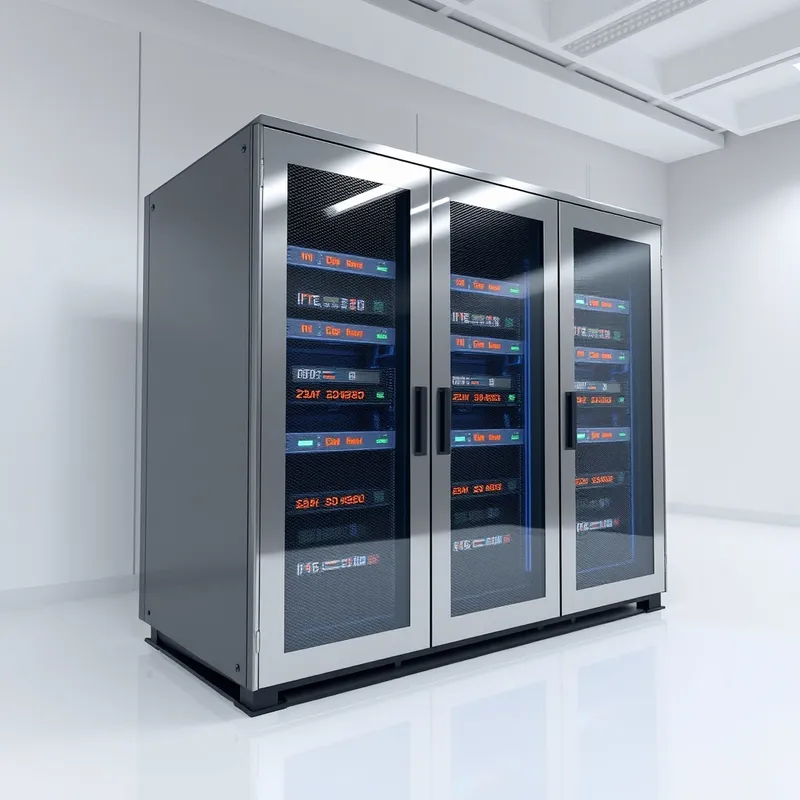
This is the structural reality facing modern energy-intensive compute infrastructure as digital asset miners and data-center developers pivot aggressively toward artificial intelligence. In an SEC filing, Soluna Holdings revealed that shareholders will vote at the October 16 annual meeting to increase authorized common stock to 1 billion shares from 375 million. This massive share expansion is designed to fund a 6.3-gigawatt pipeline, of which only 192 megawatts—roughly 3%—is currently energized, with 1.6 gigawatts in planning and 4.5 gigawatts in assessment.


To bridge this capital chasm, Soluna is seeking approval to issue more than 20% of its outstanding shares (which stood at 246.7 million as of August 21) under a standby equity agreement with YA II PN, allowing the sale of up to $250 million in stock. These funds are vital for capital-heavy expansions like the 300-megawatt Dorothy 3 AI campus in Texas, where Soluna has acquired 397 acres and purchased the 150-megawatt Briscoe Wind Farm for $53 million. Meanwhile, to generate immediate cash flow, Soluna signed an August 25 agreement with Bitdeer to deploy 28 megawatts (representing 1.93 exahashes per second) of Bitdeer-owned hardware at its Kati 1 site, while Soluna has just 14 megawatts of other capacity under construction.

⚡ The Paper-to-Power Chasm in Next-Gen Compute
The race to secure power for high-performance computing (HPC) and artificial intelligence has created a speculative land grab. Companies are rushing to announce massive power pipelines to satisfy institutional appetite for AI infrastructure. However, securing land and grid assessments is vastly different from energizing servers.
A power pipeline represents the total electrical capacity a developer has applied for or secured through grid operators, but it does not guarantee actual grid connection or operational infrastructure. The developer must fund substation construction, fiber routes, and transmission lines out of pocket before a single server spins up. This capital intensity is forcing companies into aggressive standby equity purchase agreements to sell massive amounts of common stock. What begins as a technology
— — coin24.news Editorial
This analysis is synthesized from aggregated market data and institutional research insights. It is provided for informational purposes only and should not be construed as financial advice. Cryptocurrency investments carry high risk; please conduct your own due diligence before making any investment decisions.
Related Intelligence

TRON Network Surpasses Accounts: Liquidity Mirage or Global Shift?

BNB Smart Chain Forces Core Upgrade: Bridge Defenses Tested

Stock Market Exhaustion Point Nears: Valuation Heights Breed Reckoning

Hormuz diplomacy masks crude threats: A Geopolitical Facade

Sphere 3D faces crippling tariff debt: A Terminal Liquidity Trap