Stablecoins Bypass Bitcoin Remittances: Pragmatic Rails Over Ideology

The Pragmatic Capitulation: Why Stablecoin Sovereignty is Winning the Remittance Wars
Volatile legal tender makes headlines, but friction-free digital dollars capture real economic volume.

The sovereign experiment that promised to place Bitcoin at the center of global consumer finance has encountered a pragmatic reality. While state balances remain anchored to primary crypto assets, actual payment rails are rapidly shifting toward dollar-pegged settlement layers. In the world’s most famous crypto-legal jurisdiction, consumer adoption has decoupled entirely from reserve asset thesis.

A major Latin American remittance corridor is being aggressively digitized, but not through native crypto assets. Sivar, a newly deployed payment ecosystem built by Modveon, is leveraging Base to route cross-border liquidity. Rather than forcing end-users to manage volatile private keys or account for unit-of-account exchange risk, the application utilizes embedded wallets backed by Coinbase infrastructure to settle transfers exclusively in digital dollars.
This structural pivot highlights a fundamental divergence in emerging market crypto adoption. The US-to-El Salvador corridor represents roughly $9 billion in annual volume, serving an estimated 1.6 million citizens dependent on cross-border capital. With approximately 92% of these inflows originating from the United States, transferring value without friction requires absolute price predictability.
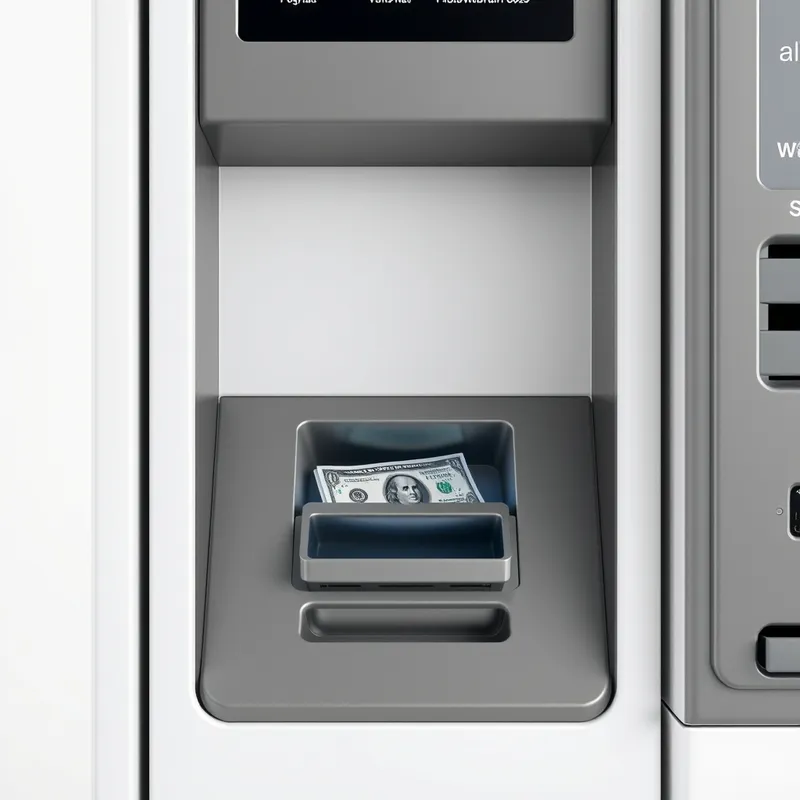
"Consumers do not want monetary sovereignty at the point of sale; they want frictionless settlement with zero price slippage."
💸 Abstracting Infrastructure: How Base and Layer-2s Monetize Payment Friction
The technical architecture of modern remittance applications demonstrates a clear migration away from base-layer UTXO execution. By utilizing flat $2 transfer fees on Layer-2 network infrastructure, corporate operators are providing competitive pricing that undercuts traditional money transfer operators. Over 25,000 users registered prior to launch, relying on non-custodial wallet abstraction while centralized venues manage fiat onramps and settlement APIs.

This dynamic is not happening in isolation. Global payment legacy networks like MoneyGram have already established USDC balance rails in the region alongside Stellar, Crossmint, and Circle, tapping into half a million physical retail cash-out points. Concurrently, Tether relocated its global corporate headquarters to the country after obtaining operational licenses, attempting to anchor USDT usage directly onto Bitcoin's Lightning Network to retain protocol relevance.
<— — coin24.news Editorial
This analysis is synthesized from aggregated market data and institutional research insights. It is provided for informational purposes only and should not be construed as financial advice. Cryptocurrency investments carry high risk; please conduct your own due diligence before making any investment decisions.
Related Intelligence

Aave stock loans expose USDC lenders: Weekend Pricing Fissure

Altcoin Spot Volume Nears 4x Bitcoin: Liquidity Illusion or Market Reset

Bitcoin Nears 85k Resistance Level: Inflation Data Sparks Market Reckoning

BTSE Secures Bhutan License For: Mindfulness City Digital Hub

Strategy Accumulates Bitcoin Again: Leveraged Accumulation Facade