Zoomex Launches ETF Perps: Bridging TradFi Derivatives With Crypto
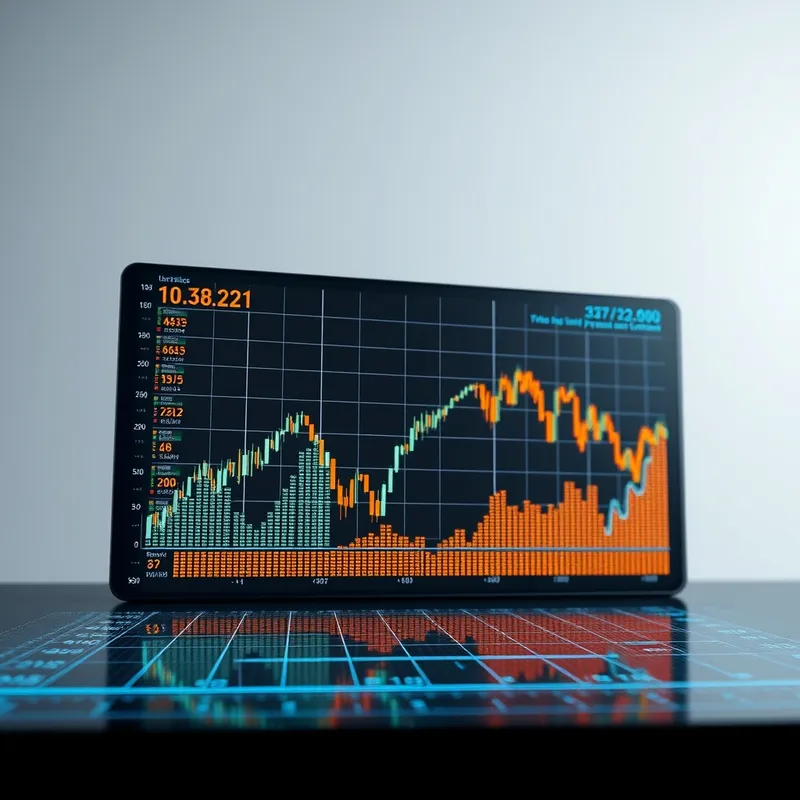
24/7 TradFi Derivatives Mark the Final Liquidation of Wall Street's Market Hours
Traditional finance closing bells are officially an obsolete relic of fractional-reserve scheduling.

The introduction of USDT-margined continuous derivatives tracking legacy index funds represents more than a product rollout. It is the friction-free absorption of traditional equity benchmarks into 24/7 crypto clearing rails. While Wall Street rests on weekends, offshore synthetic markets are claiming price discovery authority over the world's most critical benchmark indices.

🌐 The Structural Collapse of Market Closure Arbitrage
For decades, traditional equity markets relied on rigid operating hours to manage systemic liquidity and clear clearinghouse ledgers. This operational pause granted institutional desks a mandatory breather to digest weekend macro developments. The emergence of perpetual contracts tied to vehicles like SPY and QQQ completely dismantles this structural buffer, migrating price formation into uninterrupted execution cycles.
When macro shocks strike on a Saturday, traditional capital stays locked inside dormant brokerage accounts. In contrast, traders utilizing continuous USDT derivatives adjust exposure in real time across broad equity tracking instruments like SPYUSDT and QQQUSDT. What starts as synthetic speculation quickly morphs into an unstoppable pricing baseline that primary exchanges are forced to account for at Monday's opening bell.

"Offshore crypto order books are effectively holding the pen for Wall Street's Monday opening print."
Furthermore, extending synthetic leverage to volatile equity segments—such as small-caps via IWMUSDT and banking benchmarks through XLFUSDT—introduces rapid volatility transmission. Instead of waiting for traditional market sessions to price sector-specific stress, crypto capital flows signal systemic adjustments instantly, converting global stablecoin reserves into the de facto settlement layer for world equity sentiment.

⚖️ Liquidity Engines and the Mechanics of Synthetic Equity Exposure
Understanding synthetic continuous contracts requires examining the collateral mechanics underneath. Unlike spot exchange-traded funds that demand full fiat clearing and physical share custody, offshore perpetual engines rely entirely on pegged digital dollars to collateralize positions across diverse asset classes. This creates a hyper-efficient capital environment where users transition seamlessly between crypto assets and traditional financial benchmarks using a single balance.
However, running continuous derivative books on closed-market underlying assets introduces unprecedented pricing dynamics. During off-market hours—which account for roughly two-thirds of every calendar week—there is no active primary exchange order book to act as an external oracle feed. The pricing of instruments like tech sector tracker XLKUSDT or leveraged vehicles like TQQQUSDT relies purely on speculative consensus and internal liquidity matching.
This reality turns weekend trading into a double
— — coin24.news Editorial
This analysis is synthesized from aggregated market data and institutional research insights. It is provided for informational purposes only and should not be construed as financial advice. Cryptocurrency investments carry high risk; please conduct your own due diligence before making any investment decisions.
Related Intelligence

Cardano Fee Revenue Drops Dangerously: Staking Rewards Outpace Fees 150x

Ripple Expands College Sports Strategy: Branding Facade vs Utility Test

Solana RWA Inflow Surges Past Rivals: Institutional Capital Reconfigures Networks
XRP Ledger Lending Support: Critical Validator Consensus Threshold

NEAR Protocol masks network friction: The Multi-Chain Facade