Bitcoin Heating Exposes Solvency Trap: The 70k Breakeven Paradox
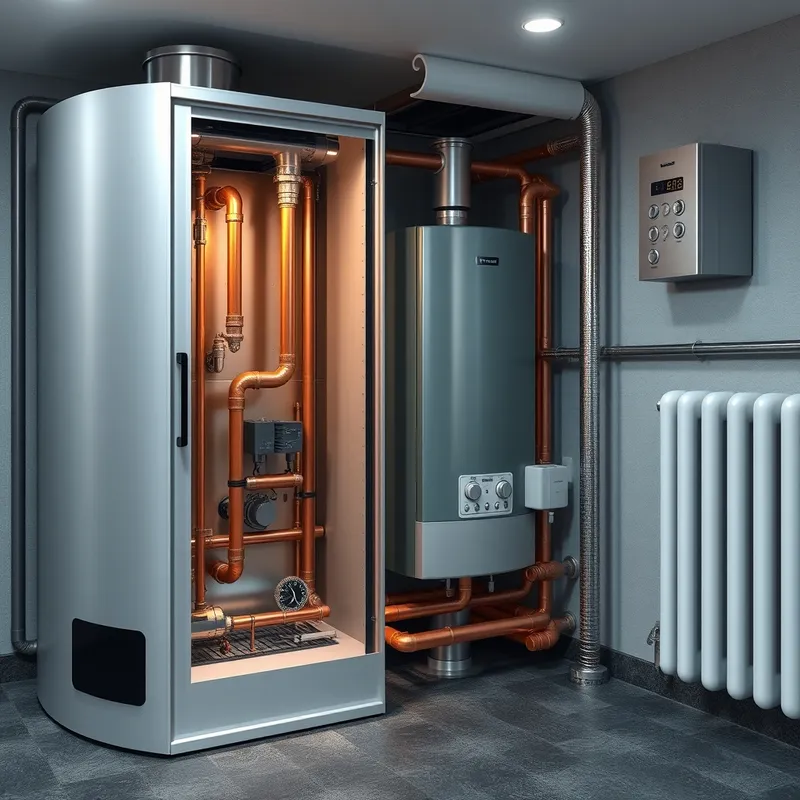
The $70,000 Breakeven Trap: How Thermal Arbitrage Exposes Bitcoin’s Decentralization Myth
Turning Bitcoin miners into home heaters creates a dangerous, unhedged long exposure to cryptocurrency.

As global energy markets struggle with rising baseline costs, European energy startups are deploying liquid-cooled hardware to capture secondary utility from proof-of-work computing. Finnish startup SunBit introduced its commercial "Bitcoin Boiler" units in 2025 at a entry price of roughly $20,000, deploying approximately 30 residential and commercial systems concentrated primarily in Finland.
Initial deployment metrics demonstrate that a setup utilizing an Antminer S21+ Hydro can mine around 0.039 BTC annually—yielding approximately $3,200—while displacing roughly 2,000 liters of heating oil. Meanwhile, industrial operators like MARA Holdings have scaled heat recycling to district levels, supplying municipal networks warming roughly 80,000 residents.
🔥 Thermal Arbitrage Meets Real-World Power Grids
Building on this initial wave of residential and industrial integration, the operational narrative surrounding proof-of-work is undergoing a fundamental re-engineering. Proof-of-work networks operate by passing electric current through microprocessors, converting electrical power into computational hash power and thermal byproduct.
Historically, operators treated excess thermal output as waste, incurring substantial financial overhead to dissipate heat through energy-intensive HVAC systems. In cold-climate economies, redirecting fluid-cooled thermal loops directly into hydronic baseboards or municipal district grids transforms an operational expense into dual-use utility.
"Dual-use infrastructure does not eliminate market risk; it simply conceals a naked long position inside an appliance."
The strategic tension lies in asset capitalization. While megawatt-scale deployments utilize institutional power-purchase agreements to amortize infrastructure costs, small-scale deployments require retail capital outlays without offering structural downside protection.
⚡ Thermodynamics vs. ASIC Yield Dynamics
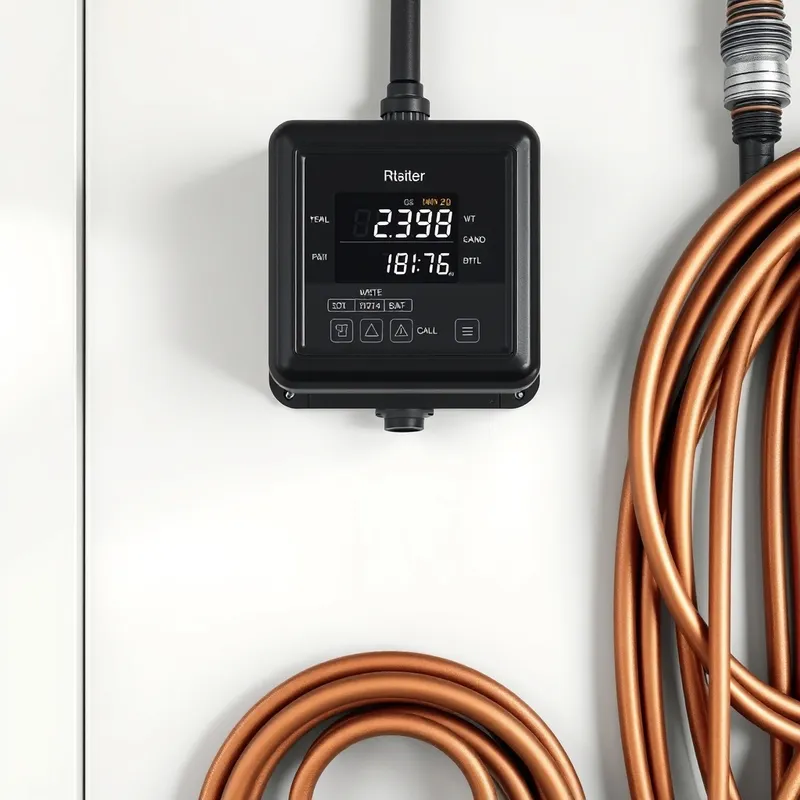
While the macro narrative promotes complete energy recovery, the raw thermodynamic realities of residential heating reveal significant structural friction. Standard electric heating elements operate with a baseline efficiency coefficient where electrical input directly matches thermal output.
Modern heat pumps leverage ambient compression to deliver significantly higher thermal efficiency ratios, producing multiple units of heat for every single unit of power consumed. ASIC mining hardware operates strictly as resistive element infrastructure, relying entirely on network rewards to offset its inherent efficiency deficit relative to specialized heat pumps.
| Heating System Architecture | Energy Efficiency Ratio (COP) | Capital Expenditure Floor | Economic Yield Driver |
|---|---|---|---|
| Liquid-Cooled ASIC Boiler | 1.0 (Direct Resistive) | ~$20,000 Initial Cost | Block Rewards + Heat Offsets |
| Standard Heat Pump System | 2.5 – 3.0 (Compressor Multiplier) | $5,000 – $9,000 | Pure Thermodynamic Efficiency |
| Legacy Heating Oil System | 0.8 – 0.9 (Combustion Loss) | Variable Replacement Cost | Direct Hydrocarbon Pricing |
Here is what the market is missing: if block rewards drop below power purchase costs, an ASIC boiler instantly reverts into an inefficient resistive heater. What appears to be an environmental breakthrough becomes a direct bet on token valuation cycles.
📉 The Solvency Paradox: Electricity Traps Under Asset Volatility
Beyond thermodynamic limitations, the microeconomic security of thermal mining breaks down rapidly when token valuations contract. When the underlying crypto asset trades above critical breakeven thresholds, mining revenue effectively covers the operating expenses of space heating.
However, when network difficulty climbs or market prices contract beneath operational cost baselines, the revenue yield per kilowatt-hour decays rapidly. Below key valuation benchmarks, system operators experience net negative cash flow, where power expenditures exceed the real-time fiat value of mined tokens.
"Efficiency is a luxury of bull markets; bear cycles convert novel utilities into expensive liabilities."
What this signals structurally is a severe friction point for retail adoption. Unlike institutional facilities capable of curtailing operations or re-routing hash rate, home operators cannot turn off their hardware during winter without sacrificing basic living conditions.

The trajectory of dual-use mining points toward institutional consolidation over home-level decentralization. While retail operators remain exposed to local utility tariffs and equipment obsolescence, industrial district heating projects will dominate grid integration. Institutional miners capable of securing municipal heat-offtake agreements will successfully lock in secondary revenue streams, pricing out unhedged residential hosts.
Furthermore, as quadrennial halving events compress block rewards, the economic feasibility of micro-scale thermal mining will hinge entirely on localized electricity subsidies. Without structural energy discounts, home mining boilers risk becoming high-CAPEX artifacts of past bull cycles.
⚖️ Coefficient of Performance (COP): The ratio of useful heat delivered by a system relative to the electrical energy consumed, serving as the benchmark metric for thermal efficiency.
⚡ Hydronic Loop Integration: A heating methodology that transfers thermal energy from liquid-cooled computing hardware directly into water-based radiator networks.
⛏️ Resistive Thermal Arbitrage: The operational process of utilizing computational heat exhaust to offset heating fuel costs while accumulating digital assets.
- If underlying token valuation breaks below unit operating cost floors → transition mining hardware to standard electrical grid standby modes.
- If local residential utility rates exceed $0.10/kWh thresholds → re-evaluate hardware payback periods against high-efficiency heat pump alternatives.
- If network difficulty escalates post-halving by over 20% → recalculate thermal offset yields to avoid unexpected operating margin compression.
— — coin24.news Editorial
This analysis is synthesized from aggregated market data and institutional research insights. It is provided for informational purposes only and should not be construed as financial advice. Cryptocurrency investments carry high risk; please conduct your own due diligence before making any investment decisions.
Related Intelligence

Stacks Siphons Institutional Bitcoin: Corporate Yield Expansion
Bitcoin Miners Hold Key AI Power Moat: Mispriced Energy Advantage
Bitcoin Compression Masks Range Trap: 76k Level Signals Reset

AI Stock Dilution Fuels Bitcoin Pivot: The Fiat Liquidity Reset
Bitcoin Retests Key Moving Averages: 2023 Echoes Signal Reset