Oil Prices Fall as Supply Risks Fade: Exposing the Sanction Illusion
Sanction Fatigue: Why Energy Markets Are Ignoring Sanctions Strategy
Energy markets have stopped pricing in political rhetoric, signaling a structural shift in risk premiums.

Crude oil benchmarks took a sharp downward turn today despite aggressive policy declarations from Washington. Brent crude dropped to $92.63 while West Texas Intermediate fell toward $85.35, reversing last week's gains. This sell-off extended across the energy spectrum, with natural gas and refined products experiencing parallel declines.
⚓ The Strait Realities vs Policy Rhetoric
Understanding commodity price discovery requires evaluating tangible physical transport over official declarations. When paper promises collide with logistics data, physical movement consistently determines market direction.

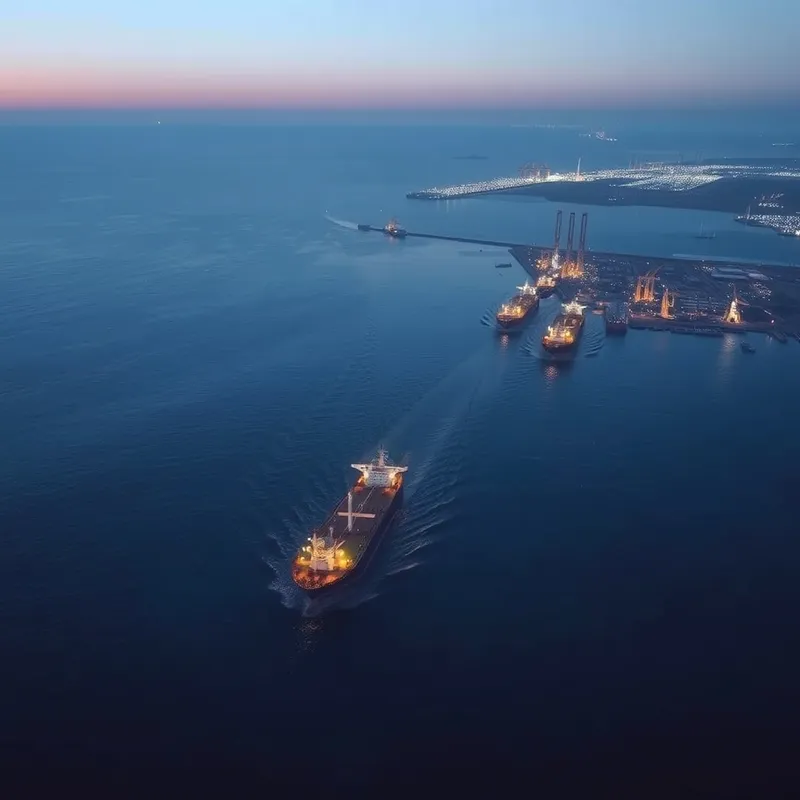
The immediate catalyst for the market pullback centers on maritime activity data. Reported transits through the Strait of Hormuz registered a significant bump from 39 to 192 vessels over a two-week window. While total volume remains substantially beneath historic averages of roughly 20.9 million barrels daily, the observed influx of vessel signals provided immediate downward pressure on price premiums.
"Physical vessel tracking routinely exposes the gap between political theater and actual supply friction."
Regulatory targeted action, including previous Treasury actions freezing $130 million in digital assets and intercepting maritime fee mechanisms, appears to have reached a threshold of diminishing impact. Markets are discounting enforcement broadsides because secondary buyer networks remain structurally intact.

⚖️ The 2012 Swift Disconnection Precedent
In 2012, Western allies coordinated the removal of Iranian banks from the SWIFT messaging system, attempting to shut off global trade channels. The immediate market assumption was a permanent removal of regional energy supply, causing initial panic spikes before alternative financial architecture took root.
What followed was the birth of informal, non-clearing network settlement systems that permanently redirected energy trade flows to non-aligned nations. The current landscape mirrors this mechanism, where secondary markets absorb sanctioned volume through alternative payment channels, rendering headline sanctions progressively ineffective for structural price discovery.
The pattern suggests that market participants rapidly price out regulatory threats once trade routes adapt to parallel settlement rails.

| Competing Force | The Irreconcilable Friction |
|---|---|
| Western Enforcement vs Off-Grid Energy Buyers | Sanctions fail when sovereign buyers offer alternative liquid settlement. |
| Naval Blockades vs Shadow Fleet Transponders | Physical tracking metrics lose accuracy during dark fleet operations. |
📊 Digital Value Settlement and Macro Contagion
Given this geopolitical tension, liquid capital markets are demonstrating how quickly risk premiums erode when alternative trade rails are operational. When primary global reserve currencies are used as geopolitical levers, secondary trade corridors adopt alternative financial mechanisms, including digital assets and localized clearing infrastructure.
With major Asian import hubs consuming over 80% of targeted regional exports, the broader market recognizes that energy will continue moving regardless of administrative actions. This dynamic limits sustained upside momentum for energy commodities while insulating risk assets like Bitcoin from severe macro energy supply shocks.
The market's declining sensitivity to policy announcements indicates that structural trade routes have successfully insulated themselves from headline risk. Expect energy volatility to compress while capital shifts focus toward systemic liquidity shifts rather than geopolitical headlines. Long-term energy stability will depend entirely on physical off-take capacity rather than regulatory declarations.
⚖️ Dark Fleet Transponders: Automatic Identification Systems (AIS) disabled by maritime vessels to obscure physical locations and bypass regional trade restrictions.
⚖️ OFAC Actions: Target enforcement operations by the US Treasury aimed at freezing financial infrastructure tied to sanctioned entities.
- If Brent crude breaks below $80 sustained → market signals full neutralization of Middle Eastern geopolitical risk premiums.
- If Strait transits drop below 20 vessels daily → energy markets re-price immediate physical supply dislocation scenarios.
- If secondary buyer import volumes decline by 30% → sanctions achieve real physical structural enforcement capacity.
— — coin24.news Editorial
This analysis is synthesized from aggregated market data and institutional research insights. It is provided for informational purposes only and should not be construed as financial advice. Cryptocurrency investments carry high risk; please conduct your own due diligence before making any investment decisions.
Related Intelligence

Alibaba Issues Shares for AI Squeeze: A $10 Billion Dilution Mirage as Cash Outflows Explode

Treasury Buybacks Mask Fiat Dilution: Kiyosaki Flags Debasement Risk

Nvidia Hikes Expose Memory Scarcity: DRAM Squeeze Threatens Margins

Treasury Yield Caps Fuel Asset Surge: Yield Controls Trigger Bull Run

ZeroStack Shares Face Massive Risk: 167 Percent Dilution Vote Ahead